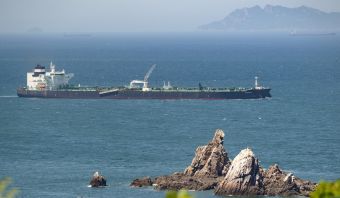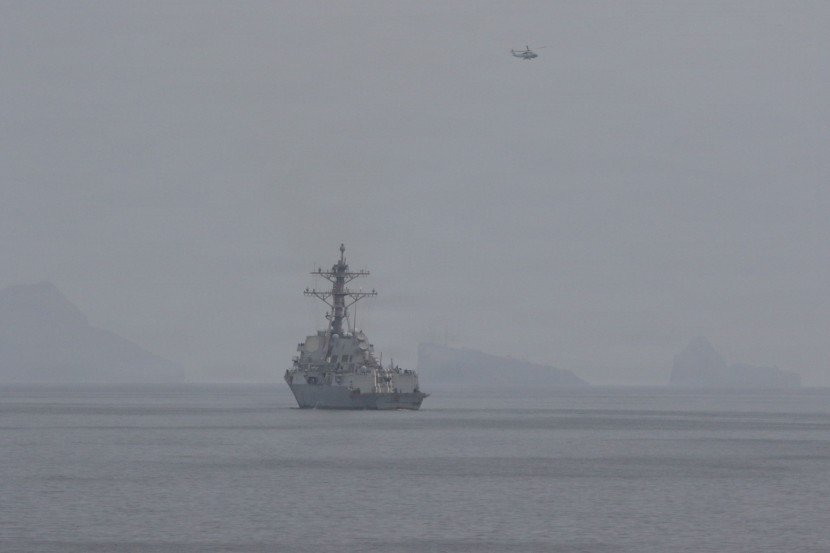
President Trump said a deal to end the war between the United States and Iran and reopen the Strait of Hormuz was set to be signed Sunday, as Qatari mediators flew to Tehran in a push to finalize the text — though Iran had not confirmed it would sign that day.
In a post on Truth Social on Saturday, Trump wrote that the deal was scheduled to be signed the next day and that the Strait of Hormuz would be "open to all" immediately afterward. He said Iran no longer sought a nuclear weapon and that the United States would retrieve and destroy nuclear material once the situation had calmed. Qatari negotiators flew to Tehran on Sunday morning to help facilitate the agreement, according to a diplomat with knowledge of the talks, joining a mediation effort led by Pakistan.
Iran was more cautious. Its Foreign Ministry spokesman, Esmaeil Baqaei, said the memorandum — referred to as the "Islamabad declaration" — was unlikely to be signed Sunday, though it could be completed in the coming days, and cautioned against fixing a timeline. Tehran had not announced a final decision on the text.
Details of the draft have begun to emerge. Iran's semi-official Mehr news agency published what it described as a 14-point agreement. According to accounts of the draft, Iran would immediately reopen the Strait of Hormuz while the United States lifted its naval blockade of Iranian ports, released about $24 billion to $25 billion in frozen Iranian assets, refrained from new sanctions until a final deal, and waived oil sanctions. In return, Iran would agree not to build or acquire nuclear weapons, halt new uranium enrichment until a final accord, and dilute its highly enriched uranium stockpile inside the country, with the mechanism still to be worked out.
The diplomacy was also complicated by a new flare-up involving Israel. Israeli forces struck a suburb of Beirut that Israel described as a Hezbollah command center, and Iran warned that the attack could threaten the deal, having insisted that any agreement include a ceasefire in Lebanon. Trump said all sides should "stand down." Israel's defense minister said the country would not withdraw from areas it occupies in Lebanon, Syria and Gaza.
Fighting and uncertainty persisted alongside the diplomacy. U.S. Central Command said earlier that its blockade remained in effect, and Iranian hardliners rallied in Tehran and Mashhad against the deal, accusing the negotiating team of conceding too much. The war began Feb. 28 with U.S. and Israeli strikes that killed Iran's supreme leader, Ayatollah Ali Khamenei, who was succeeded by his son, Mojtaba. An earlier ceasefire had frayed before fighting flared again this month.
This is a developing story.
© 2026 HNGN, All rights reserved. Do not reproduce without permission.