
Nearly six weeks after Nancy Guthrie disappeared from her home in Tucson, Arizona, on 1 February, the search for the 84-year-old has tightened around one stubborn idea from Bob Krygier, a former local SWAT commander, that the case will most likely turn on patient police work and a piece of hard evidence, not a dramatic breakthrough.
Investigators still had not publicly identified a suspect, while authorities had said Nancy did not leave her home voluntarily.
The disappearance drew national attention because Nancy is the mother of Today co-anchor Savannah Guthrie, but the case has stayed grimly practical on the ground in southern Arizona. Officials have treated it as a criminal investigation from the start, and public appeals have continued even as proof of life has not been publicly confirmed, so anything beyond the evidence released by authorities should still be taken cautiously.

The Slow Work Of Evidence
There is something almost unfashionable about Krygier's reading of the case. It pushes back against the internet's appetite for instant villains and neat twists. Speaking to Parade, he pointed instead to the basics, saying the answer will probably come from 'good old-fashioned police work' and from electronic or scientific evidence such as mobile phone data, camera footage, GPS records, DNA or fingerprints.
That sounds plain because it is plain. Yet in a disappearance that has drawn heavy scrutiny and still produced no arrest, the plain answer may be the most credible one. Detectives, Krygier argued, are likely to solve this by chasing leads, knocking on doors, revisiting timelines and waiting for one reliable fragment to hold.
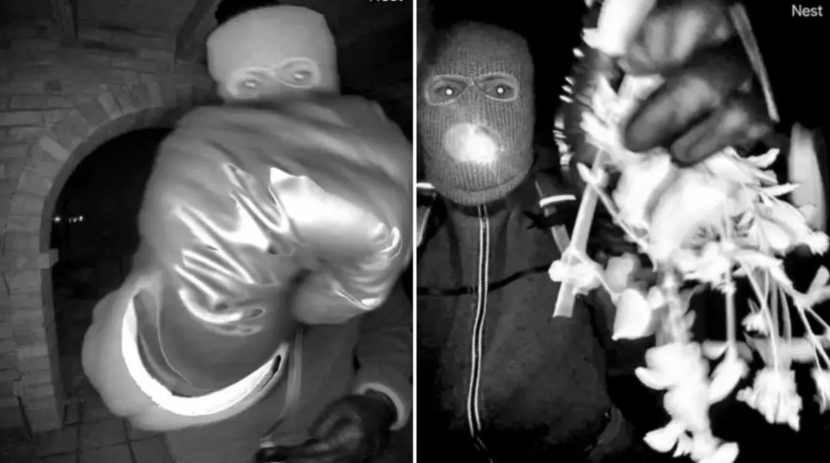
The known outline is stark enough. Nancy, 84, vanished in the early hours of 1 February from the Tucson house where she had lived for years, and investigators later said she was believed to have been taken from the property against her will. Images released during the investigation showed an armed, masked man outside her home, though authorities have still not named a suspect in public.
That gap matters. It explains why every supposed breakthrough has to be handled carefully. In a case this visible, rumour can outrun evidence in an afternoon, and serious reporting has to resist that pull.
Some of what is known comes from officials, some from former investigators, and some from a case file still only partly visible to the public. Investigators may know far more than they are saying. The public record, though, remains fragmentary, and fragments are not proof.
Nancy Guthrie Reward Raises The Stakes
The other pressure point is money, and a lot of it. Nancy's family has offered a $1 million reward, while the FBI has separately offered $100,000 for information leading to her location or to an arrest and conviction connected to the case. A separate reward through the 88-CRIME tip line has pushed the total higher still.
Krygier's view was unsentimental. If conscience does not loosen somebody's tongue, he suggested, cash might. It is not a romantic theory of justice, but it is a realistic one. Cases like this often break not because the guilty suddenly become noble, but because somebody nearby decides silence has become too expensive.
Retired FBI agent Greg Rogers struck a similar note, saying large rewards can jolt open inquiries that appear to have stalled. His point is less about generosity than leverage. In investigations with frayed loyalties, loose talk among associates, ex-partners, or hangers-on can matter as much as laboratory work.
That logic is hard to ignore. The person who knows what happened may not be the person who planned it. An accomplice, a driver, a friend who heard too much, somebody who noticed who was at Nancy Guthrie's door that night, any one of them could be the hinge on which the case turns.
The Public Waiting Game
For all the scrutiny, this remains a story about absence. Her family has had to make public appeals while investigators continue to work behind closed doors, and each update has carried the same bleak message that the search is active but incomplete. There is no tidy narrative yet, only a growing file of forensic work, tips and unanswered questions.
The case has already generated enough attention to create its own noise, which is useful for tip lines but dangerous when guesswork starts masquerading as fact. That is why Krygier's emphasis on evidence feels less like a slogan than a warning against fantasy. Doorbell footage, phone records, DNA results, fingerprints, witness recollections, these are not glamorous details, but they are usually the details that survive court.
For now, what can be said with confidence is limited. Nancy is still missing, the rewards are unusually large, and investigators appear to believe that somebody outside the immediate family circle may know far more than they have said. As Rogers put it, 'I have worked a number of cases where rewards made all the difference. I am hopeful someone will decide the reward in this case is worth the risk of cooperating.'
Originally published on IBTimes UK
© Copyright IBTimes 2025. All rights reserved.


