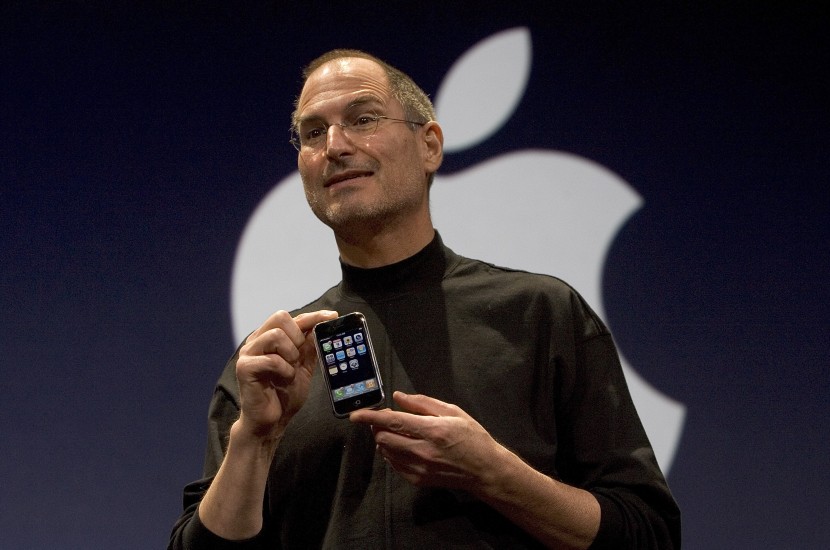
A new economic study is posing a provocative question about one of the most influential consumer products of the century: Did the iPhone help drive down America's birth rate?
In a working paper released by the National Bureau of Economic Research, two researchers from Middlebury College — economics professor Caitlin Myers and a recent graduate, Ezekiel Hooper — estimate that the early spread of the iPhone explains between one-third and one-half of the decline in the U.S. general fertility rate between 2007 and 2011. The U.S. birth rate has fallen by roughly 22% since 2007 and reached a record low in 2024.
To isolate the effect, the authors used a quirk of the iPhone's rollout. From its 2007 launch until February 2011, the device was sold exclusively through AT&T, so the researchers treated AT&T mobile broadband coverage as a proxy for early iPhone access and compared birth rates across counties. After controlling for factors such as home prices and how urban an area was, they found that births fell faster in places with early iPhone access. The declines were steepest among the youngest women — falling by as much as 8% among those aged 15 to 19 and up to 6.6% among those 20 to 24 — with smaller but statistically significant drops in older groups.
The paper does not pin down exactly why smartphones would reduce births. The authors theorize that the technology reshaped how people spend their time and interact, pointing to survey data associating smartphone adoption with less in-person socializing, less frequent sexual activity and increased online activity. A drop in unintended pregnancies among young people, they note, is a key part of the broader fertility decline.
Myers framed the findings carefully. "As a scientist, I'm loath to ever say causality is 'proven,'" she said in published remarks, while arguing that the data points to "a large and causal relationship between iPhones and fertility."
Other economists are not convinced. Phillip Levine, a Wellesley College economist who studies fertility, told The New York Times that the iPhone is not literally a form of birth control, calling it instead one example of the broader social shifts behind the declining birth rate. Outside experts also note that fertility has been falling for decades and point to other drivers, including expanded access to contraception and the rising cost of raising children. The working paper has not yet been peer-reviewed.
The stakes of the question are more than academic. A persistently low birth rate carries long-term economic consequences, leaving fewer working-age people to support a growing population of retirees, and it has become a politically charged issue, with proposed responses ranging from baby bonuses and tax credits to expanded child care.
© 2026 HNGN, All rights reserved. Do not reproduce without permission.