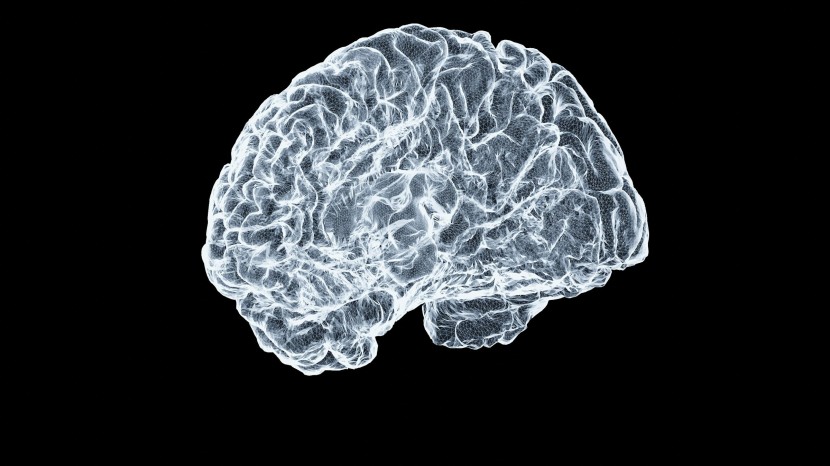
China's approval of an invasive brain-computer interface for commercial use — described by researchers as a world first — has drawn renewed international attention, putting the country ahead of U.S. companies such as Elon Musk's Neuralink in bringing the technology to patients.
The device, called NEO, was cleared by China's National Medical Products Administration in March 2026 for use in people with paralysis from spinal cord injuries, according to MIT Technology Review and Scientific American. It is the first invasive brain implant anywhere to be approved for use beyond clinical trials, the outlets reported. Coverage of the decision spread widely again this week.
NEO was developed by Shanghai-based Neuracle Medical Technology with researchers at Tsinghua University. The coin-sized implant is placed during a procedure of about 90 minutes, with eight sensors resting on the dura mater, the protective membrane covering the brain, rather than penetrating brain tissue, according to reports citing MIT Technology Review. Signals are relayed to an external processor that translates them into commands for a robotic glove, allowing users to perform basic hand movements such as grasping.
The device is intended for adults with partial paralysis who retain some upper-arm function, and it has been incorporated into China's public health insurance, according to multiple reports. Neuracle has conducted dozens of clinical trials since late 2023; one documented case involved a patient with a severe spinal cord injury who regained the ability to grasp after months of rehabilitation, according to MIT Technology Review, which noted those early results are preliminary.
Analysts said the design likely eased NEO's path to approval. Because the sensors sit outside brain tissue, the approach carries a lower risk of bleeding and signal loss over time than electrodes inserted into the cortex, Avinash Singh, a brain-chip researcher at the University of Technology Sydney, told MIT Technology Review. Neuralink's fully implanted system, which threads electrodes into the cortex, has required more extensive safety data in the United States and has not received commercial clearance there; it has been tested in a small number of trial participants.
Several outlets framed the approval as China moving ahead in a closely watched field, noting Beijing has designated brain-computer interfaces a strategic priority alongside areas such as quantum computing. Some specialists cautioned against describing it simply as a race won, saying the two approaches reflect different engineering and regulatory choices, and that long-term safety comparisons remain limited.
© 2026 HNGN, All rights reserved. Do not reproduce without permission.