TUCSON, Ariz. — More than two months after Nancy Guthrie vanished from her Catalina Foothills home, authorities and experts continue to grapple with a baffling kidnapping case that has produced surveillance footage, blood evidence, potential DNA leads and mysterious ransom notes — yet no arrest, no suspect identification and no confirmed trace of the 84-year-old mother of "Today" show co-host Savannah Guthrie.
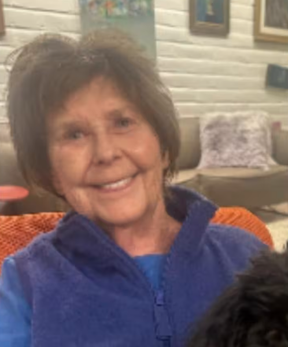
Guthrie was last seen Jan. 31, 2026, after returning home from dinner at her daughter Annie's house. She was reported missing Feb. 1 when she failed to appear at church. Investigators quickly concluded she was taken against her will after finding drops of her blood on the front porch and reviewing doorbell camera footage showing a masked individual with a flashlight in his mouth deliberately covering the lens with a nearby shrub.
The case has drawn intense national attention, a $1 million family reward and FBI involvement offering up to $100,000 for information leading to her recovery or the arrest of those responsible. Yet as of mid-April 2026, more than 70 days later, the investigation remains at a frustrating standstill with no public suspects named and no proof of life.
Experts point to several factors making the search exceptionally difficult. The abduction occurred in the pre-dawn hours in a relatively remote, upscale neighborhood where homes sit on larger lots, limiting immediate witnesses. The masked suspect's careful actions — obscuring the camera and wearing gloves — minimized visible forensic traces inside the residence, though blood outside confirmed violence. A glove found nearby matching the suspect's appeared promising but has not yet yielded a breakthrough identification.
Genetic genealogist CeCe Moore emphasized the potential of saliva on the flashlight the suspect held in his mouth, urging investigators to prioritize that evidence for advanced DNA analysis. Retired detectives have speculated two to four accomplices may have been involved, citing the planning required to target a specific home that is not easily visible from the street. The sheriff has described the crime as targeted and indicated authorities believe they understand the motive, though details remain undisclosed.
The absence of a clear ransom demand from the actual kidnappers has complicated matters further. Early purported ransom notes demanded millions in Bitcoin, but subsequent anonymous communications sent to media outlets like TMZ have raised skepticism. Recent notes received around April 6 claimed Guthrie was dead in one message, then alive in Sonora, Mexico, in a follow-up — inconsistencies that former FBI agents described as highly unusual and potentially the work of scammers seeking cryptocurrency rather than genuine kidnappers.
One ex-FBI agent theorized the notes could be opportunistic exploitation of a real crime rather than direct communication from perpetrators. The lack of direct contact with the family or verifiable proof of life has left investigators and the public questioning their authenticity while diverting resources toward verification.
Guthrie's age and health profile add layers of urgency and challenge. She has mobility issues and requires daily medication, including management via a pacemaker whose computer was reportedly disconnected. Without prompt medical care, her survival window narrows significantly, heightening fears as weeks turn into months. Experts note that abductions of elderly victims are statistically rare, and cases involving cross-border possibilities — such as hints of Mexico — expand the search area dramatically while complicating jurisdiction and cooperation.
Pima County Sheriff Chris Nanos has faced criticism over the pace of the investigation, including a no-confidence vote from deputies and questions about departmental leadership. Searches have included ground, air and neighborhood canvassing, with tens of thousands of tips received. The FBI has assisted extensively, yet public updates have been limited to protect the integrity of the probe. Some analysts point to possible early investigative missteps, including delays in processing certain evidence, as contributing to the ongoing difficulty in generating leads.
The high-profile nature of the case — tied to Savannah Guthrie's celebrity — has brought both advantages and drawbacks. Massive media coverage has generated widespread awareness and tips, yet it may have also encouraged hoax communications and armchair speculation that clutter genuine leads. Savannah Guthrie returned to the "Today" show April 6 after a two-month absence, expressing continued hope while the family offered the substantial reward. She has made emotional pleas, including statements that the family would pay any legitimate ransom.
Retribution has emerged as one theory among profilers, with some suggesting the targeting could stem from perceived connections or grudges rather than random opportunity or financial gain. A "Mindhunter"-style expert highlighted that the deliberate, low-forensic approach points to someone familiar with law enforcement tactics or motivated by personal vendetta. The remote location and lack of immediate neighbors who saw or heard suspicious activity further hinder timeline reconstruction.
Cross-border elements, including unverified claims of sightings in Mexico, introduce logistical nightmares. Cooperation with Mexican authorities, language barriers, vast desert terrain and different law enforcement priorities slow progress. Historical cases show that once a victim is moved across borders, recovery rates drop sharply, especially without rapid action in the first 48 hours — a window long since closed here.
Technological hurdles also play a role. While doorbell footage provided a crucial visual, the suspect's masking and the home's security setup did not capture interior activity or a clear getaway vehicle with identifiable plates. Phone records, vehicle data and construction worker or neighbor interviews have been pursued, but no public breakthroughs reported. Advanced DNA tools, including genetic genealogy, offer hope if quality samples exist, yet processing backlogs and the need for matches in databases can take time.
The family has remained cooperative, according to officials, while privately enduring unimaginable anguish. Savannah Guthrie's public statements balance hope with realism, urging anyone with information to come forward regardless of their involvement. Community vigils and searches in the Tucson area have continued, but as days accumulate without resolution, frustration grows.
Broader context reveals why such cases prove stubbornly difficult. Most kidnappings involve younger victims with clearer motives like ransom or custody disputes. Elderly stranger abductions without immediate demands are outliers, often requiring exhaustive review of the victim's and family's background for any overlooked connections. Here, the combination of a cautious perpetrator, possible accomplices, potential international angle and media-driven noise creates a perfect storm of investigative obstacles.
Authorities continue to treat the case as active and urge tips through the FBI at 1-800-CALL-FBI or online. The $1 million reward remains in place for information leading to Nancy Guthrie's safe return or the perpetrators' apprehension.
For now, the question lingers: why is it so hard to find her? A masked suspect who left minimal traces, an elderly victim with urgent health needs, shifting and questionable ransom claims, vast search terrain and the inherent complexities of a targeted nighttime abduction have converged to create one of the most challenging missing persons cases in recent memory.
As the investigation enters its third month, experts stress that breakthroughs often come from seemingly small tips or advances in forensic technology. The Guthrie family and law enforcement persist in their efforts, holding onto hope that Nancy will be found and the mystery resolved. Until then, the desert community and a watching nation continue to ask: Where is Nancy Guthrie?
Originally published on ibtimes.com.au
© Copyright 2022 IBTimes AU. All rights reserved.