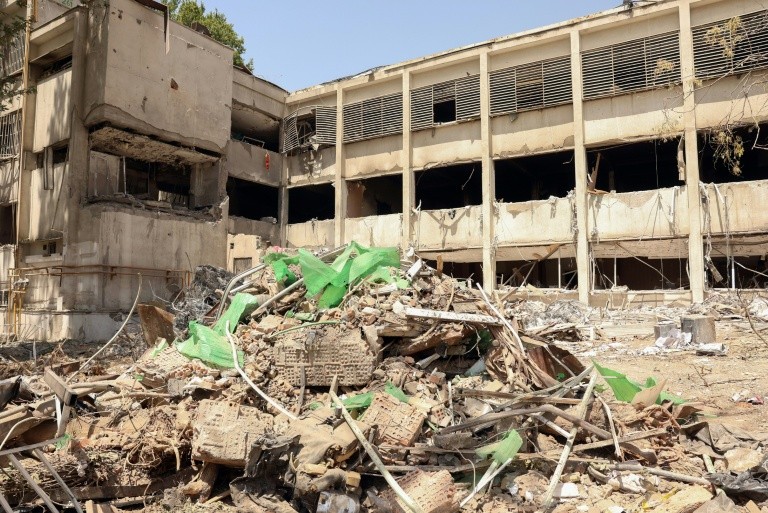
The United States is weighing a potential drawdown in its military operations against Iran even as the conflict enters its fourth week with fresh escalation, including a failed Iranian missile attempt targeting a key U.S.-UK base in the Indian Ocean.
Overnight developments underscored the fragile and contradictory state of the war. Iran launched missiles toward the joint military facility on Diego Garcia, marking one of its longest-range strike attempts to date. The missiles did not hit their target, but the move reflects a widening geographic scope of the conflict, as reported by The Guardian. The strike is being interpreted by analysts as a signal that Tehran is willing—and increasingly able—to project force far beyond the Middle East.
At the same time, U.S. and Israeli forces continued coordinated strikes on Iranian infrastructure, including renewed attacks on the Natanz nuclear facility, a central component of Iran's nuclear program. According to Reuters, these strikes are part of an ongoing effort to degrade Iran's nuclear capabilities and limit its ability to retaliate.
Despite the continued military activity, President Donald Trump indicated that Washington may be nearing a turning point. He said the U.S. is "considering winding down" the conflict, suggesting a possible shift in strategy after weeks of sustained operations. However, officials have not outlined any clear timeline or conditions for de-escalation. According to Reuters, additional U.S. assets and personnel are still being deployed to the region, highlighting a disconnect between public messaging and operational posture.
The risks to U.S. interests remain significant. American bases and diplomatic missions across the Middle East and beyond are on heightened alert amid fears of further retaliation. The Wall Street Journal reported that U.S. embassies and consulates are increasingly viewed as potential targets, and more than 50,000 American citizens have been evacuated from the region since the conflict began.
Beyond the immediate security concerns, the economic impact is becoming more visible. Oil prices have surged roughly 50 percent since the onset of hostilities, driven by fears of supply disruptions and instability around the Strait of Hormuz, one of the world's most critical energy chokepoints. In response, the U.S. has taken the unusual step of easing some restrictions on Iranian oil shipments in an effort to stabilize global markets, as reported by The Guardian. The move reflects growing concern in Washington about the domestic economic fallout, particularly rising fuel costs.
Inside Iran, the human toll continues to climb. More than 2,000 people have been killed since the conflict began, according to Reuters, with reports of intensified internal crackdowns by the government, including arrests and executions tied to unrest. The leadership has also undergone significant changes following the reported assassinations of key military figures earlier in the conflict.
For now, the trajectory of the war remains uncertain. While the U.S. appears to be exploring an off-ramp, Iran's latest actions suggest it is not yet ready to de-escalate. The coming days will be critical in determining whether the conflict stabilizes—or expands further into a broader regional confrontation with global implications.
Originally published on IBTimes
© Copyright IBTimes 2024. All rights reserved.


