US Immigration and Customs Enforcement (ICE) has outlined a massive new strategy to expand its ability to hold and deport immigrants. The agency plans to spend $38.3 billion by the end of 2026 to build and refurbish detention facilities. This information comes from an official document released by the office of New Hampshire Governor Kelly Ayotte on Thursday. The document details how the agency aims to manage tens of thousands of people scheduled for deportation.
The Department of Homeland Security (DHS) provided these details after Governor Ayotte asked questions following a Senate hearing. The plan shows a significant shift in how the US government handles immigration enforcement. It moves away from using many scattered contract facilities. Instead, it focuses on creating a streamlined network of large, government-run centres. These facilities are designed to handle a higher number of arrests expected later in the year.
Funding from the One Big Beautiful Bill
The money for this massive project comes from a large spending package passed by the US Congress in July 2025. Known as the 'One Big Beautiful Bill', this legislation provided a record amount of money for immigration enforcement. The Republican-controlled Congress approved $170 billion in total for these efforts. Within that total, $45 billion was set aside specifically for detention operations.
This funding level marks a sharp increase compared to previous years. For the 2024 fiscal year, the budget for immigration detention was only $3.4 billion. The jump to $45 billion allows ICE to purchase buildings and fit them with necessary services. The plan states that this budget is essential to prepare for 2026. The agency expects a surge in arrests because they are hiring 12,000 new agents. These agents will need places to put the people they detain.
New Centres for Processing and Detention
The $38.3 billion plan covers 34 specific facilities. These are divided into different types based on how long people will stay there. First, ICE plans to buy 16 existing buildings. They will renovate these buildings to serve as regional processing centres. These centres are designed for short stays. They will hold between 1,000 and 1,500 people for an average of three to seven days. This is where people will go immediately after being arrested.
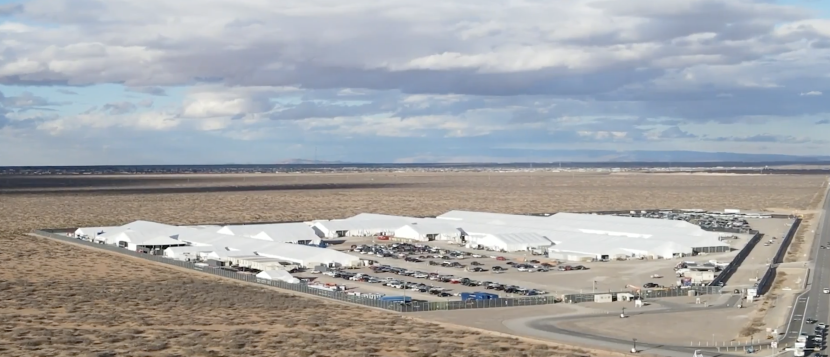
Second, the agency will open eight very large detention centres. These are much bigger than the processing centres. Each one will be able to hold between 7,000 and 10,000 detainees. These facilities are for longer stays, with an average time of around 60 days. The document describes these large centres as the 'primary location' for immigrants who are waiting to be deported to other countries.
Finally, ICE will acquire 10 'turnkey' facilities. These are places where the agency is already operating. 'Turnkey' means the buildings are ready to use immediately without much extra work. The goal is to have all these facilities working by the end of November 2026.
Future Plans and Operational Goals
The document explains that this new model is about efficiency. ICE wants to reduce the number of private or local jails it uses. By owning and running these large centres, the agency believes it can manage custody better. The plan includes hiring contractors to renovate the buildings. They will build dormitories, cafeterias, and recreational areas. They will also include medical and dental services, as well as courtrooms inside the facilities.
The document states that these changes will ensure the 'safe and humane civil detention of aliens'. This expansion is part of a broader crackdown on immigration under US President Donald Trump. Since returning to office in January 2025, his administration has increased operations in major cities. The number of people in ICE detention has already risen by 74 per cent to more than 68,000. With the new facilities, ICE aims to reach a total capacity of 92,600 beds. This capacity is needed to support the expanded pool of people facing deportation, including those who have lost temporary legal status.
Originally published on IBTimes UK
© Copyright IBTimes 2025. All rights reserved.