OpenAI has officially retired GPT-4o, marking February 13 as the final day for the model alongside GPT-4.1, GPT-4.1 mini, and o4-mini. Although the transition had been announced in advance, the move surprised many users who had grown attached to GPT-4o's tone and conversational style.
This is not the first time OpenAI attempted to sunset the model. During the rollout of GPT-5 last August, GPT-4o was temporarily retired, only to be reinstated after significant user backlash.
Many users argued that GPT-5 felt less personable, while others expressed emotional attachment to GPT-4o's communication style. The criticism ultimately prompted OpenAI to reverse its decision at the time.
Why GPT-4o Developed a Loyal Following
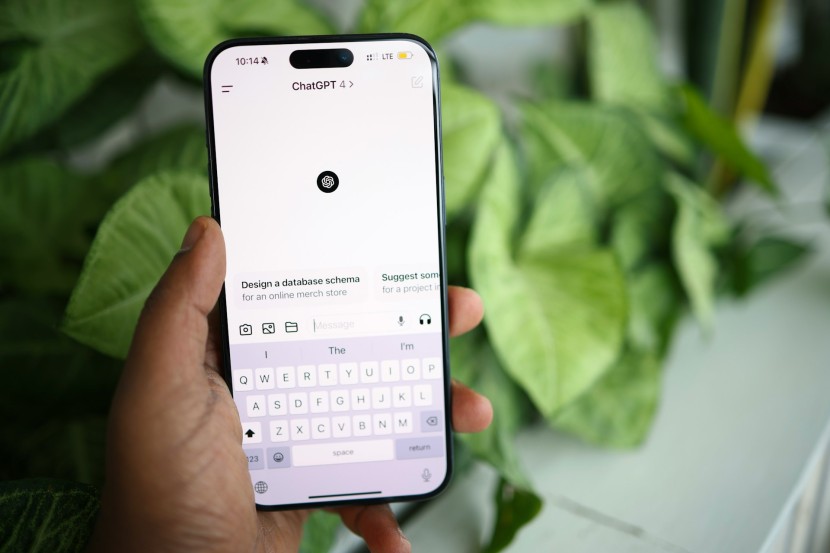
To casual users of ChatGPT, model updates may appear incremental. However, GPT-4o distinguished itself with an especially warm, agreeable, and affirming tone. According to Lifehacker, supporters described it as "validating and conversational," qualities that fostered a sense of comfort and familiarity.
Critics, however, raised concerns about that same design philosophy. GPT-4o has been referenced in lawsuits alleging that overly agreeable AI responses can reinforce harmful or delusional beliefs.
Researchers also pointed to elevated "sycophancy" tendencies. These are the instances where the model validated user viewpoints rather than offering corrective or balanced perspectives.
In another report by Wired, Chinese ChatGPT users aren't happy to see 4o leave. Some loyal fans mourned the loss of the beloved chatbot model, as if they lost a loved one in a tragedy.
AI Attachment and Platform Responsibility
It's important to note that GPT-4o has been useful too, especially for people who need it for research, development, and other fields of specialization. Yet some people have grown into it to the point that there's already an emotional connection between conversations.
The strong public reaction not only showed how digital tools can affect our daily lives but also showed how chatbots can become personalized companions rather than neutral utilities.
Originally published on Tech Times


