WASHINGTON — The U.S. military said it began striking Iran on Tuesday evening in response to the downing of a U.S. Army Apache helicopter a day earlier, a sharp escalation that came as President Donald Trump had described a deal to end the conflict as just days away.
U.S. Central Command said the operation started at about 5 p.m. ET at Trump's direction and was "in response to yesterday's downing of a U.S. Army Apache helicopter." CENTCOM described the action as "self-defense strikes" and "a proportional response to unjustified Iranian aggression," in a post on social media. The command did not immediately detail the targets struck or any resulting damage.
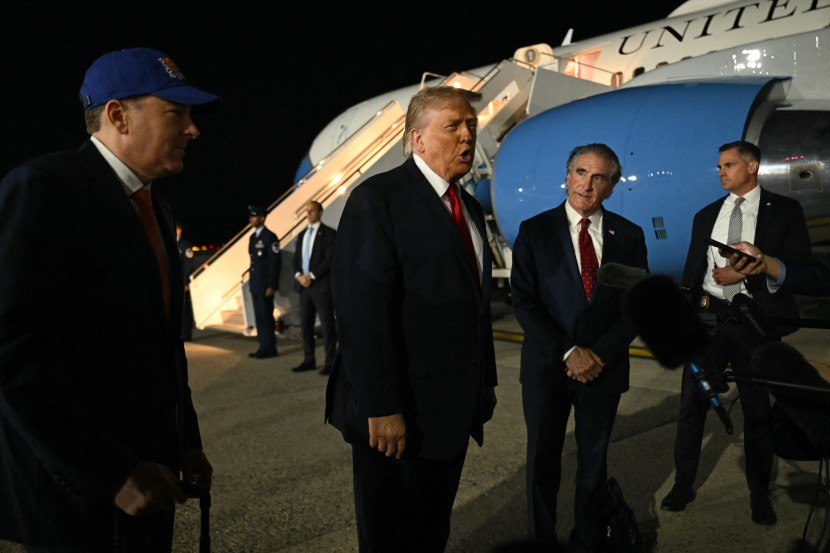
The strikes followed a statement from Trump earlier Tuesday in which he said the military had informed him that Iran shot down the helicopter while it was patrolling over the Strait of Hormuz. "I have just been informed by our Great Military that last night the Iranians shot down one of our highly sophisticated Apache Helicopters," Trump wrote, adding that the United States "must, of necessity, respond to this attack." He said the two pilots aboard were safe and uninjured.
The aircraft went down off the coast of Oman on Monday evening. A U.S. official said current indications were that the Apache was brought down by an Iranian drone, and that it was not clear whether the collision was intentional, according to The Associated Press. CNN and CBS News earlier reported the drone collision. Official statements said the cause remained under investigation. The two crew members were rescued by a U.S. Navy drone boat within about two hours — described by officials as the first such use of an unmanned surface vessel for a rescue.
Iran did not claim responsibility for downing the helicopter. Iranian Foreign Minister Abbas Araghchi wrote on X that foreign forces near Iran's territory were at risk from "human errors, plain accidents, or potentially being caught in crossfire," and said the best way to reduce risk would be for them to leave. He did not mention any Iranian role.
The escalation threatened back-channel diplomacy that Trump had portrayed as nearly complete. He said Monday a deal could come within two weeks, then told reporters Tuesday it could be reached in "two or three days," before announcing the strikes. Vice President JD Vance projected optimism about reaching a durable agreement, telling CBS the U.S. was close to a deal addressing Iran's nuclear program but still had "some wood to chop."
The 2026 Iran war began on Feb. 28 after the breakdown of U.S.-Iran talks. The Apache is believed to be the first such helicopter lost in the conflict; U.S. forces have previously lost fighter jets and drones to hostile fire and friendly fire.
© 2026 HNGN, All rights reserved. Do not reproduce without permission.