WASHINGTON — More than 2,000 people have been killed since the United States and Israel launched airstrikes against Iran on Feb. 28, 2026, igniting a high-intensity conflict that has seen Iranian retaliatory missile and drone attacks across the Middle East, with civilian deaths in Iran forming the vast majority of the toll.
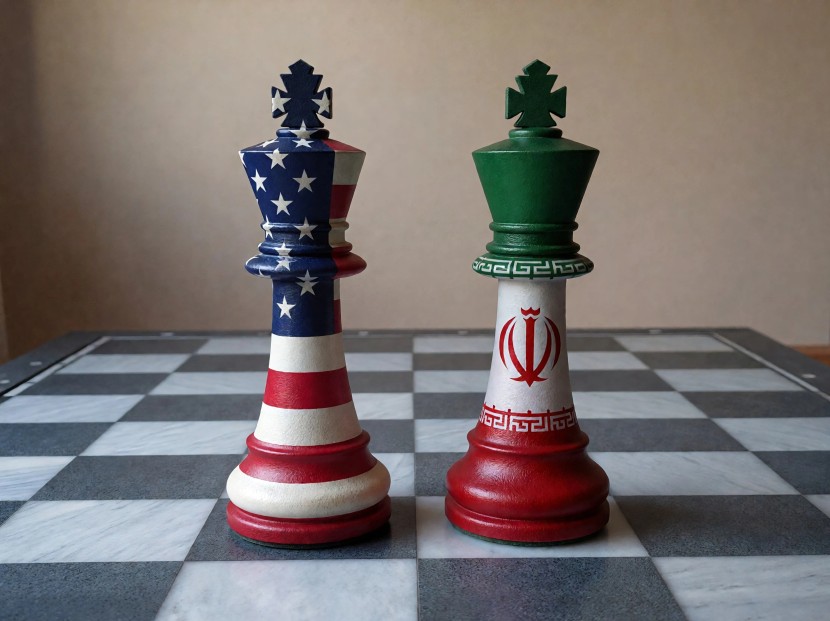
The war, dubbed Operation Epic Fury by the U.S. military, began with nearly 900 joint U.S.-Israeli strikes in the first 12 hours targeting Iranian air defenses, missile sites, nuclear facilities and leadership targets. Supreme Leader Ayatollah Ali Khamenei was among those killed in the opening salvo, along with other senior officials, according to multiple reports.
As of late March 2026, casualty figures remain fluid and contested due to the fog of war, restricted access in Iran and differing methodologies used by various sources. Iranian authorities report around 1,937 deaths inside the country from U.S.-Israeli strikes, with more than 24,800 injured, including thousands of women and children. Independent monitors and rights groups cite higher numbers, with one estimate from HRANA reaching 3,389 killed, including 1,527 civilians and at least 228 children.
U.S. Central Command has confirmed 13 to 15 American service members killed, with figures varying slightly across reports. Some deaths resulted from direct Iranian attacks on U.S. bases in the region, while others stemmed from a KC-135 refueling aircraft crash over Iraq that killed six crew members. Approximately 200 to 313 U.S. troops have been wounded, though most injuries are described as minor, with many service members returning to duty.
Israeli casualties include at least four soldiers and 19 to 24 civilians killed, with thousands injured from Iranian missile barrages. Additional deaths have been reported in Gulf states and among Iranian-backed groups such as Hezbollah, where hundreds of fighters are estimated killed.
Breakdown of Reported Casualties
In Iran, the Health Ministry attributes nearly all fatalities to airstrikes on military and infrastructure sites, though civilian areas have also been hit. Reports describe strikes damaging cultural heritage in cities like Isfahan and causing secondary casualties in populated zones. U.S. and Israeli officials claim the majority of Iranian deaths — potentially over 6,000 — were military personnel, including Islamic Revolutionary Guard Corps members, while downplaying civilian impact.
Human rights organizations highlight challenges in verification, noting blackouts, disrupted communications and restricted international access. The International Federation of Red Cross and Red Crescent Societies has cited at least 1,900 killed and 20,000 injured in Iran. Some accounts mention specific incidents, such as damage to schools and hospitals, contributing to civilian tolls.
On the U.S. side, the 13 confirmed deaths include losses from enemy fire and the aviation mishap. Defense Secretary Pete Hegseth has acknowledged that more casualties are likely as operations continue. Wounded figures hover around 300 in some CENTCOM updates, with about 10 seriously injured in recent incidents like the strike on Prince Sultan Air Base in Saudi Arabia.
Israel has reported lower overall losses thanks to robust air defenses, though Iranian attacks have caused injuries and infrastructure damage. Hezbollah and other proxies have suffered hundreds of fighter deaths in related exchanges.
Gulf states have seen smaller numbers of fatalities from spillover strikes, with reports of around 25 deaths across the region in early tallies.
Context and Escalation
The conflict erupted after months of heightened tensions, with the initial U.S.-Israeli campaign aimed at degrading Iran's nuclear program, missile capabilities and regional influence. Iranian responses included waves of ballistic missiles and drones targeting Israel, U.S. bases in Iraq, Syria, Saudi Arabia, Kuwait and other locations.
No large-scale U.S. ground invasion has occurred, with operations focused on air and naval strikes. Secretary of State Marco Rubio indicated in late March that the campaign could conclude in "weeks, not months," though diplomacy via mediators continues amid Iranian reviews of U.S. proposals.
Millions have been displaced in Iran and Lebanon, with economic costs running into billions. Oil facilities and shipping routes have faced disruptions, raising global energy concerns. UNESCO has urged protection of cultural sites damaged in the fighting.
Casualty counts are expected to rise as strikes persist and verification improves. Independent tallies often lag official reports, and both sides accuse the other of inflating or minimizing figures for propaganda purposes.
Challenges in Tracking Deaths
Accurate accounting remains difficult in active conflict zones. Iranian state media provides one set of numbers, while U.S. and Israeli assessments emphasize military targets. Rights groups like HRANA attempt independent verification but face access barriers.
Hospitals in Iran have been strained, with reports of overwhelmed facilities treating thousands of injured. Civilian deaths, including children, have drawn international concern and calls for de-escalation.
The U.S. military has not released full details on all American fatalities, following standard notification protocols for families. Names of some fallen service members have appeared in media and Wikipedia compilations.
Broader Impact and Outlook
The human cost extends beyond direct deaths to long-term injuries, psychological trauma and displacement. Humanitarian organizations warn of potential crises in food, medical supplies and shelter as infrastructure suffers.
As negotiations hover in the background, both sides continue military operations. U.S. officials stress the campaign's progress in degrading Iranian capabilities, while Tehran vows continued resistance.
With the conflict now over a month old, the death toll — conservatively exceeding 2,000 and potentially much higher when including unconfirmed military losses — underscores the stakes. Families on all sides mourn losses while diplomats seek paths to end the fighting.
Observers note parallels to past Middle East conflicts, where initial strikes escalated rapidly with significant civilian impact. The coming weeks may determine whether the war expands further or moves toward resolution.
For now, the verified toll stands as a grim marker of a conflict that began with targeted leadership strikes and has drawn in multiple nations across the region.
Originally published on ibtimes.com.au
© Copyright 2022 IBTimes AU. All rights reserved.


