Tesla has built its brand around automation, so the decision to remove Autopilot as a standard feature surprised many drivers. For years, basic Autopilot defined the Tesla ownership experience by offering lane centering and adaptive cruise at no extra cost. Now, Tesla cancels Autopilot on new Model 3 and Model Y vehicles, reshaping how drivers access assisted driving features. This shift reflects broader changes in Tesla's strategy, regulatory pressure, and ambitions for a subscription-based self-driving future.
The move has sparked questions about value, safety, and fairness, especially as competitors continue bundling similar systems for free. Understanding what changed, why it happened, and what comes next helps drivers make informed decisions before buying or upgrading a Tesla.
Tesla Cancels Autopilot and the Impact on New Buyers
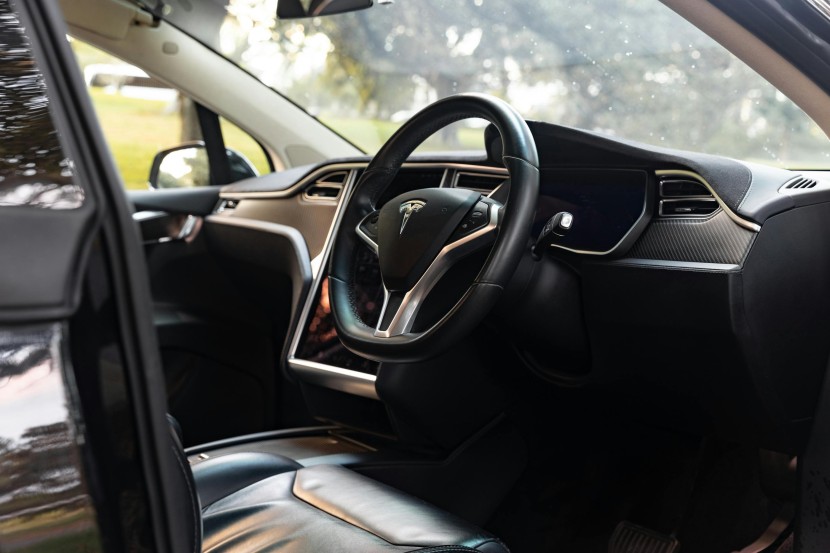
Tesla cancels Autopilot for new buyers by stripping Autosteer lane centering from base configurations, leaving only Traffic-Aware Cruise Control. This means new owners still get speed-matching on highways but must actively steer at all times, even on long, straight roads. For drivers accustomed to hands-on assistance during commutes, the downgrade is immediately noticeable.
The change also widens the gap between Tesla and rivals. Many competing electric and hybrid vehicles now include lane centering, adaptive cruise, and steering assist as standard features. With Tesla, accessing comparable functionality now requires subscribing to Full Self-Driving, adding a recurring cost that didn't exist before. Over a few years, that subscription can exceed the price of a traditional one-time option.
For buyers on tight budgets, this creates a tradeoff between upfront affordability and long-term expenses. While base vehicle prices may drop slightly, the loss of Autopilot shifts meaningful driving comfort behind a paywall. As a result, some shoppers are reconsidering used Teslas that still include legacy Autopilot features.
Tesla Self Driving Update and the Push Toward Subscriptions
Tesla's self-driving update marks a clear shift from one-time purchases to recurring revenue. New subscription options replace lifetime Autopilot and Full Self-Driving (FSD) purchases. This change affects both Tesla's business model and driver experience.
- Tesla now emphasizes monthly FSD subscriptions instead of selling lifetime add-ons.
- Subscriptions provide predictable revenue and scale more easily as the fleet grows.
- Removing Autopilot from standard packages reduces overlap with premium FSD.
- Free basic features previously discouraged drivers from upgrading to advanced systems.
- Subscription pricing can be adjusted as capabilities improve, avoiding long-term lock-ins.
- Drivers experience a software-as-a-service model: features may appear, disappear, or change price.
- Some appreciate flexibility, while others worry about losing functionality if they cancel.
- The new model introduces tension between convenience, cost, and feature access.
Autopilot Shutdown News and the Regulatory Backdrop
Tesla's Autopilot removal is closely tied to regulatory pressure and safety concerns. Misleading branding and driver misuse have drawn scrutiny from authorities. The update aims to clarify responsibilities while aligning with global safety standards.
- Investigations into crashes have placed Tesla under intense regulatory oversight.
- Regulators argue the "Autopilot" name implied unsafe autonomy beyond system capabilities.
- Removing Autopilot branding reduces exposure to false advertising claims.
- Global trends have restricted autonomy-related naming, prompting Tesla to rename or restructure features.
- Features are reframed as optional, supervised systems, shifting responsibility back to drivers.
- Safety groups criticized Tesla's driver monitoring, which relied on steering input rather than eye-tracking.
- Tesla must prove that drivers remain attentive under tightening standards.
- Removing standard Autopilot acts as both a legal shield and a reset of expectations.
Tesla Driving System Change and the Robotaxi Vision
Tesla's driving system changes extend beyond individual vehicles toward large-scale autonomous networks. The company envisions subscription-based Full Self-Driving powering robotaxi fleets. This strategy ties technology, data collection, and future revenue together.
- Full Self-Driving subscriptions accelerate adoption and data collection for neural network training.
- Each subscribed vehicle contributes to refining Tesla's autonomous driving system.
- Supervised systems today will feed development of unsupervised robotaxi fleets tomorrow.
- Subscription access aligns with a service-oriented approach to mobility.
- Drivers gain convenience but face uncertainty due to uneven regulatory approvals.
- Tesla is betting on autonomy as its defining product for the next decade.
- The shift signals a long-term pivot from car sales to mobility-as-a-service.
- Robotaxi ambitions depend on mass adoption, regulatory clearance, and technological maturity.
How Tesla's Autopilot Decision Reshapes the Road Ahead
Tesla cancels Autopilot not as an ending, but as a strategic redirection. The move reshapes ownership costs, changes competitive positioning, and signals Tesla's commitment to subscription-driven autonomy.
Drivers now face clearer choices: accept limited assistance, subscribe for advanced features, or look elsewhere. As Tesla self driving updates continue, the balance between innovation, safety, and affordability will define whether this gamble pays off.
Frequently Asked Questions
1. Why did Tesla cancel Autopilot as a standard feature?
Tesla removed Autopilot to reduce confusion about driver responsibility and encourage adoption of Full Self-Driving subscriptions. Regulatory pressure also played a role. The company wants clearer separation between basic assistance and advanced systems. This change aligns with Tesla's long-term autonomy strategy.
2. Do existing Tesla owners lose Autopilot?
No, current owners keep the features their vehicles already have. The change only affects new purchases. Tesla has not announced plans to remove Autopilot from existing cars. Software updates continue to support older configurations.
3. Is Full Self-Driving required for lane centering now?
Yes, new Tesla buyers must subscribe to Full Self-Driving to access lane centering and advanced highway assistance. Without it, only adaptive cruise control is included. This represents a major shift from previous standard offerings. Drivers must decide if the added cost is worth it.
4. Will Tesla bring Autopilot back in the future?
Tesla has not indicated plans to restore Autopilot as a standard feature. The company appears committed to subscriptions and supervised Full Self-Driving. Future changes depend on regulations and technology readiness. For now, the focus remains on advancing FSD capabilities.
Originally published on Tech Times