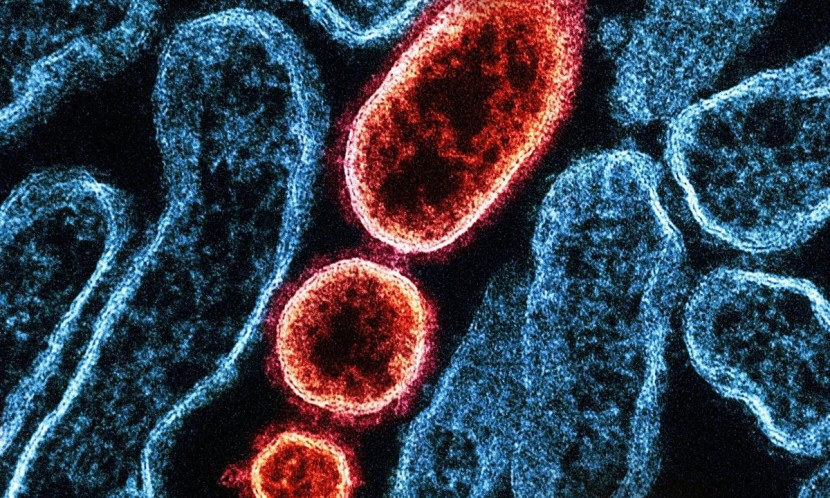
An outbreak of the lethal Nipah virus has sent shockwaves through the eastern Indian state of West Bengal. Health officials are racing to contain the spread as five cases—including frontline doctors and nurses—have been confirmed in a cluster near Kolkata.
In West Bengal, 100 people have been identified as close contacts and are currently in quarantine. Officials say the situation is under close review, with ongoing testing to monitor for delayed symptoms, and no international spread has been reported.
While the world still bears the scars of the COVID-19 pandemic, scientists warn that this fruit bat-borne pathogen presents a far more terrifying 'grim scenario.' With a mortality rate that can exceed 75% and no known cure, the focus has shifted from 'if' another pandemic will strike to 'how deadly' this brain-swelling disease truly is.
What is the Nipah virus?
The Nipah virus (NiV) is a highly lethal, zoonotic pathogen—meaning it jumps from animals to humans. Its primary natural host is the Pteropus fruit bat, also known as the 'flying fox'.
While humans typically contract the virus by consuming food contaminated by bat saliva or urine, such as raw date palm sap or fallen fruit, the 2026 outbreak in West Bengal has highlighted a more dangerous route: human-to-human transmission.
The virus is notorious for its 'dual-attack' on the body. It typically begins with flu-like symptoms—fever, headache, and sore throat—but quickly escalates into acute respiratory distress or severe lung infection and fatal encephalitis or the inflammation and swelling of the brain.
Because it is so dangerous and there is no cure, it is handled only in the world's most secure Biosafety Level 4 (BSL-4) laboratories.
How is the Nipah virus Transmitted?
According to medical experts, the Nipah virus is particularly dangerous because it can move through multiple environments—from wildlife to food, and ultimately to humans.
The virus naturally resides in fruit bats, which are 'asymptomatic carriers,' meaning they carry the virus without becoming ill. Humans can contract Nipah through direct contact with a bat's bodily fluids, including saliva, urine, or excrement.
Bats can also infect intermediate hosts, as documented in Malaysia, where infected bats transmitted the virus to pigs. The pigs then acted as 'amplifiers,' making it much easier for humans to contract the virus.
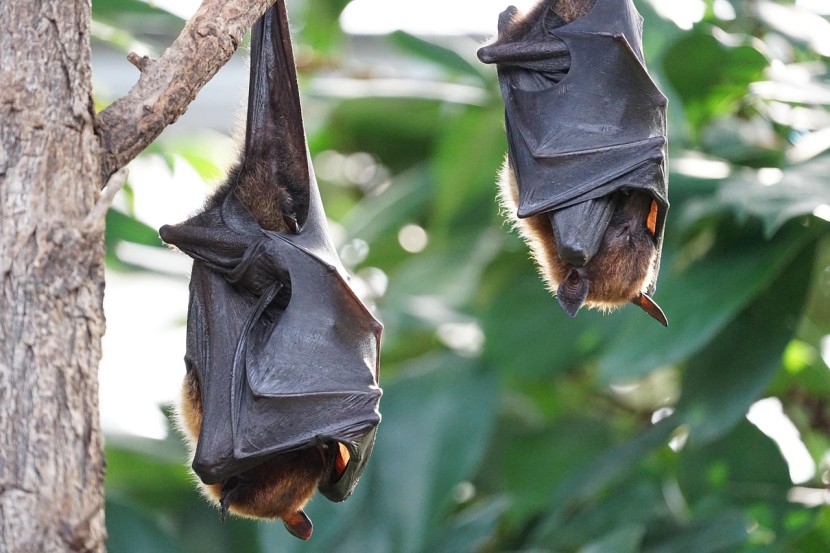
Contaminated food is another common source of transmission, particularly in India and Bangladesh. Bats often drink from pots used to collect sap from trees, contaminating it with saliva or urine. Similarly, 'bat-bitten' fruit—partially eaten or licked by infected bats—can introduce the virus directly into the human system.
Human-to-human transmission is considered a 'grim scenario,' as it spreads similarly to COVID-19. The virus can be transmitted through respiratory droplets from coughing or sneezing, as well as through contact with a patient's blood or urine.
As observed in the 2026 West Bengal cluster, healthcare workers face the highest risk. Early symptoms often resemble a common cold or flu, leading medical staff to treat patients without the high-level PPE required for a BSL-4 pathogen.
Because Nipah is so lethal, patients carry a high 'viral load,' making them extremely infectious to family members providing bedside care.
How Deadly is the Nipah virus?
Nipah virus is considered by many medical experts to be deadly, estimated to be 75 times more lethal than COVID-19. To understand its severity, we can look at the Case Fatality Rate (CFR).
COVID-19's death rate is roughly 1% to 3%. In comparison, the Nipah virus has claimed the lives of 40% to 75% of those infected. In some localised outbreaks, the death rate has approached 100%.
Unlike many respiratory viruses, Nipah also attacks the brain, crossing the blood-brain barrier. Patients can fall into a coma within 24 to 48 hours after the onset of neurological symptoms.
Adding to the danger is Nipah's so-called 'relapse factor'. Even survivors may face a delayed threat, as the virus can remain dormant in the body and 'wake up' months or even years later, causing sudden, fatal brain swelling.
Perhaps most alarming is that, as of early 2026, there are no approved vaccines or specific antiviral treatments for Nipah. Doctors can only provide supportive care, essentially relying on the patient's own immune system to combat a highly formidable virus.
The 'Grim Scenario' of Nipah Virus Worse Than COVID-19
Nipah virus possesses the three ingredients for a global catastrophe that could far exceed the impact of COVID-19, giving rise to the so-called 'grim scenario.'
First, the virus combines high fatality with a high potential for mutation. Unlike COVID-19, which was mild enough for millions of infected people to spread it unknowingly, Nipah—killing approximately 1 in 2 people—could trigger a healthcare and social collapse within weeks if it ever became as easily transmissible through the air.
Second, Nipah has a 'silent window,' with an incubation period of up to 45 days. This means an infected person could travel around the world multiple times before showing any symptoms, unknowingly seeding the virus in every city they visit.
Given that the Nipah virus has infected healthcare frontliners in West Bengal, it has been demonstrated—based on previous outbreaks—that the virus spreads easily in hospital settings.
When the 'healers' become the 'spreaders' and die at such high rates, the entire medical infrastructure of a country can collapse, leaving the population with virtually no defence.
While the 'grim scenario' of the Nipah virus is terrifying, the swift response in West Bengal shows that the world has learned from the COVID-19 pandemic. For now, the world watches closely, hoping that vigilance will prevent this deadly virus from becoming the next global crisis.
Originally published on IBTimes UK
© Copyright IBTimes 2025. All rights reserved.


