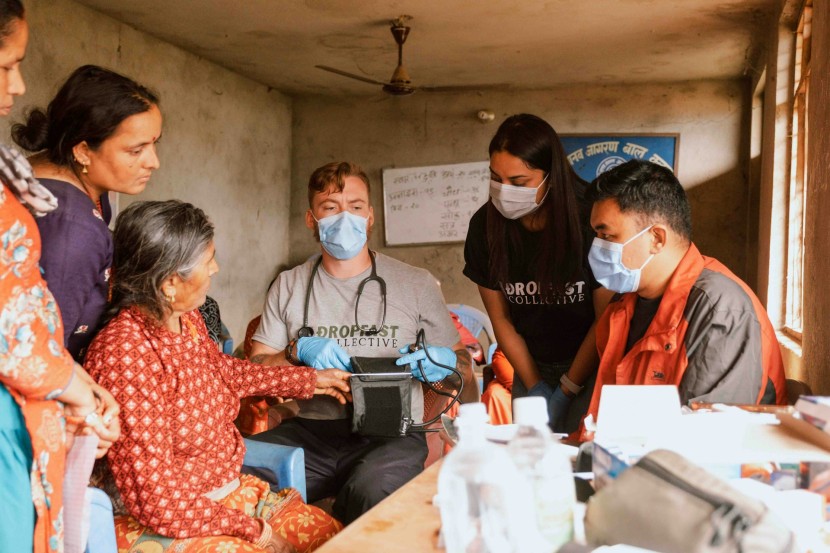
Resilient health systems play a vital role in ensuring that countries can effectively respond to everyday health needs and unexpected crises. In emerging economies, where infrastructure and resources are often limited, strengthening health systems is not just a technical challenge but a necessity. From assembling a skilled workforce to implementing sound policy and governance, several key areas require long-term planning.
Challenges such as uneven access to care, limited data infrastructure, and supply chain disruptions underscore the need for a comprehensive approach. Countries that prioritize local engagement, sustainable partnerships, and adaptive technologies tend to be better prepared for future shocks, as Armin Ernst MD highlights.
Understanding Resilient Health Systems
A resilient health system can absorb shocks, adapt to changing conditions, and continue providing essential services. In emerging economies, where gaps in infrastructure and resources are more common, resilience becomes a critical foundation for long-term public health outcomes.
The COVID-19 pandemic revealed how weak systems can become overwhelmed during crises, leading to disrupted care, supply shortages, and loss of trust. Countries with stronger frameworks in place—such as early investment in local clinics or digital health coordination—were able to respond more effectively and recover faster. Building this kind of resilience requires steady attention rather than reactive fixes.
Key Challenges Facing Emerging Economies
Health systems in many emerging economies face persistent structural challenges that limit their ability to serve populations effectively. Financial constraints often mean that hospitals and clinics operate with outdated equipment or limited supplies, making routine care and emergency response equally difficult.
Workforce shortages are another major hurdle. Many regions struggle with an uneven distribution of healthcare professionals, with rural areas especially underserved. In some countries, doctors and nurses leave for better-paying opportunities abroad, leaving behind critical gaps in care. This brain drain weakens national capacity and puts long-term public health goals at risk.
Access to essential medicines and reliable health data systems remains inconsistent. Without accurate information, planning becomes guesswork, and governments are unable to allocate resources where they're most needed. These issues compound during emergencies, when swift, data-driven decisions can mean the difference between containment and crisis. Strengthening logistics and investing in digital infrastructure are necessary to overcome these limitations.
Strengthening Core Health Services
Improving access to primary healthcare forms the backbone of any resilient system. Community-based clinics, when adequately staffed and resourced, can address most health needs before they escalate, reducing pressure on hospitals. In countries like Rwanda, investment in local health posts has led to stronger immunization rates and better maternal health outcomes.
Supply chain management also plays a pivotal role. Delays in delivering essential medicines or vaccines can undermine trust and disrupt disease prevention efforts. Streamlining procurement processes and investing in cold chain infrastructure helps ensure that critical supplies reach even remote communities on time.
Digital technologies offer additional support. Mobile health platforms, electronic medical records, and remote diagnostics are transforming service delivery in places with limited physical infrastructure. These tools not only improve patient outcomes but also enhance coordination and data collection across the system. As these technologies become more accessible, they offer a scalable solution for bridging gaps in traditional service models.
Assembling and Supporting a Skilled Workforce
A resilient health system cannot exist without a strong, motivated workforce. Many emerging economies face the dual challenge of training new healthcare professionals while retaining the ones they already have. Issues like poor compensation, limited career growth, and unsafe working conditions push skilled workers toward more stable opportunities elsewhere, often abroad.
In regions where governments have prioritized workforce development, the results are tangible. Countries that invest in medical education and offer performance-based incentives see improvements not only in staffing levels but also in the quality of care. Equitable distribution of healthcare workers, especially in rural and underserved areas, ensures that services reach those who need them most. Mentorship programs, training, and community engagement can further enhance workforce resilience.
Policy and Governance for System Stability
Effective governance is the backbone of any system. When policies align with long-term public health goals and are supported by reliable financing, systems become more stable and adaptable. Governments that embed health within their broader development agenda tend to foster more integrated and sustainable reforms. These integrated efforts also help align health priorities with social determinants like education and housing.
Transparency and accountability also play a critical role. When decision-making processes are open and inclusive, health policies are more likely to reflect community needs. In countries where citizen engagement is encouraged, public trust in the health system tends to grow, making it easier to implement large-scale initiatives and respond to crises. Moreover, strong institutions ensure that reforms outlast political cycles and maintain continuity in health planning.
Collaboration and Long-Term Planning
Partnerships and donor support can greatly accelerate health system development when aligned with local priorities. Rather than imposing one-size-fits-all solutions, successful collaborations adapt global expertise to the unique cultural, economic, and logistical realities on the ground.
Strategic planning must go beyond short-term crisis response. Long-term investments in infrastructure, education, and policy reform create a foundation that benefits generations, not just current needs. When these plans are institutionalized, they survive political transitions and ensure that progress continues without interruption.
© 2026 HNGN, All rights reserved. Do not reproduce without permission.


