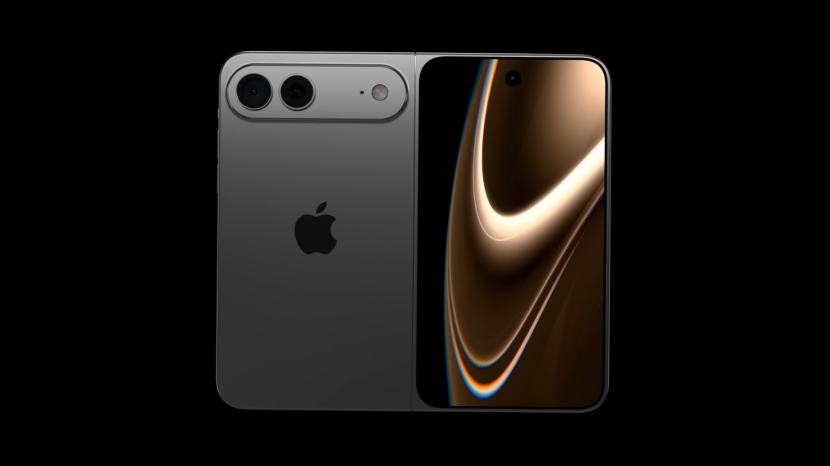
The foldable iPhone is shaping up to be one of Apple's most ambitious devices, but early reports of Apple production issues suggest the road to mass production is not going smoothly. The latest updates point to foldable iPhone production issues during the pre-assembly stage, raising questions about how yield problems could affect scaling. While interest in the Apple foldable iPhone remains strong, the focus is now shifting toward manufacturing stability rather than design expectations.
Instead of a product setback, the situation is better understood as a production challenge tied to iPhone manufacturing problems common in first-generation hardware. Reports indicate that SMT pre-assembly processes are struggling to reach stable output levels, even as Apple continues preparing for a fall 2026 launch. This makes the story less about cancellation risk and more about how difficult it is to bring a complex foldable device into mass production.
What The Reported Production Problem Means
The current foldable iPhone production issues are centered on yield problems during SMT pre-assembly. This stage handles surface-mount technology, where key electronic components are placed before final assembly begins, and inefficiencies here can slow down mass production significantly.
Unlike earlier concerns focused on hinge quality, the latest Apple production issues appear unrelated to mechanical durability. Instead, the challenge lies in achieving consistent manufacturing output, as low yields make it harder to scale production smoothly.
These yield problems matter because they directly affect how quickly Apple can move from testing to mass production. When output rates remain unstable, production timelines become harder to predict even if the overall launch plan is still active.
Why This Foldable iPhone Is Harder To Build
The Apple foldable iPhone combines several complex engineering requirements, including a flexible display, precision hinge system, and compact internal layout. This combination increases the likelihood of iPhone manufacturing problems during early production ramps.
Supply-chain reports suggest that while the situation is unusual, it is not necessarily severe enough to threaten the launch. Earlier updates also indicated that production may have been running slightly behind schedule, adding pressure to already tight manufacturing timelines.
Apple's strict quality standards add another layer of difficulty. Even minor inconsistencies in hinge performance or assembly precision can delay approval for large-scale output, contributing to ongoing foldable iPhone production issues.
What The Launch Timeline Still Suggests
Despite current Apple production issues, reports still point to a fall 2026 release window. The foldable iPhone is expected to debut alongside the iPhone 18 Pro lineup, with availability possibly following shortly after.
However, the timeline remains flexible. While mass production was previously expected to begin mid-year, supply-chain updates suggest ramp-up challenges could shift internal schedules. This uncertainty highlights how yield problems can influence production confidence without immediately changing launch plans.
Even with these pressures, Apple appears committed to keeping the project on track. Like many first-generation devices, the foldable iPhone is balancing innovation with manufacturing reality, where small inefficiencies can have large impacts on scaling.
What The Yield Problems Mean For Apple
The current foldable iPhone situation reflects the difficulty of turning advanced design into stable mass production. The reported Apple production issues and foldable iPhone production issues highlight how sensitive early manufacturing stages can be, especially for new form factors.
While SMT yield challenges and pre-assembly inefficiencies are slowing progress, they do not currently point to cancellation risk. Instead, they show the complexity of scaling a foldable device while maintaining Apple's quality expectations.
For now, the fall 2026 launch window still stands, but the production path remains more fragile than a typical iPhone cycle.
Originally published on Tech Times