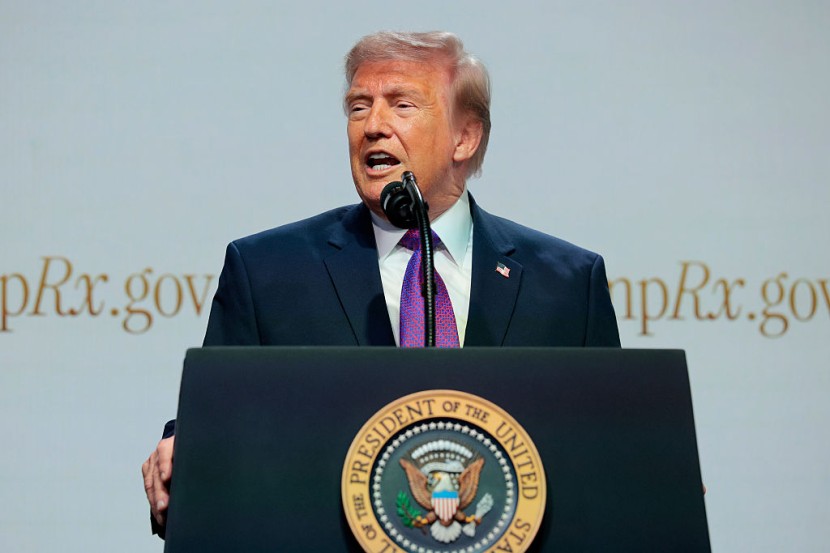
Trump has paused a planned "major attack" on Iran but ordered US forces to remain on high alert, warning that strikes will go ahead if Tehran refuses to abandon any renewed pursuit of nuclear weapons, according to US officials and regional mediators.
The decision to hold off was made after Iran sent a fresh peace proposal to Washington through intermediaries, outlining ideas to limit its nuclear activities in exchange for sanctions relief and security guarantees.
President Donald Trump said there was now a "very good chance" of reaching a deal that would prevent Iran from seeking a nuclear bomb, while stressing that the US military option "remains on the table," according to CNN,
Gulf leaders from Qatar, Saudi Arabia, and the United Arab Emirates urged Trump to delay the strike, arguing that talks had gained momentum and that an attack could derail fragile negotiations and threaten regional shipping lanes.
Trump acknowledged their requests in social media posts, saying the assault originally planned for Tuesday was "on hold" to allow "serious negotiations" to proceed.
The US Navy has kept a tight blockade-style presence near the Strait of Hormuz, a vital route for global oil supplies, but traders say crude prices eased slightly on expectations that diplomacy might avert war.
Read more: Top Billionaires With Nearly $1T Combined Net Worth Join Trump in Meeting With China's Xi
US officials say the Pentagon can execute limited strikes on Iran within hours if ordered, after months of reinforcing air and naval assets in the region.
Analysts and defense planners say any operation would likely focus on air defenses, missile sites, and remaining nuclear-related infrastructure, similar in scope to last year's "Operation Midnight Hammer" that targeted facilities at Natanz, Fordo, and Isfahan.
The United States insists those 2025 strikes "obliterated" Iran's nuclear program, though some intelligence and international monitoring reports suggest Tehran retains technical know-how and some capacity for uranium work, the BBC reported.
Iran publicly denies it is seeking nuclear weapons and says any program would be strictly civilian, under International Atomic Energy Agency supervision.
Iranian negotiators have signaled willingness to cap enrichment levels and accept intrusive inspections if banking and oil sanctions are rolled back, according to regional diplomats briefed on the talks.
However, Washington is pressing for broader restrictions, including limits on Iran's ballistic missile development and support for armed groups across the Middle East, issues that have stalled previous rounds of negotiations, as per Al Jazeera.
© 2026 HNGN, All rights reserved. Do not reproduce without permission.