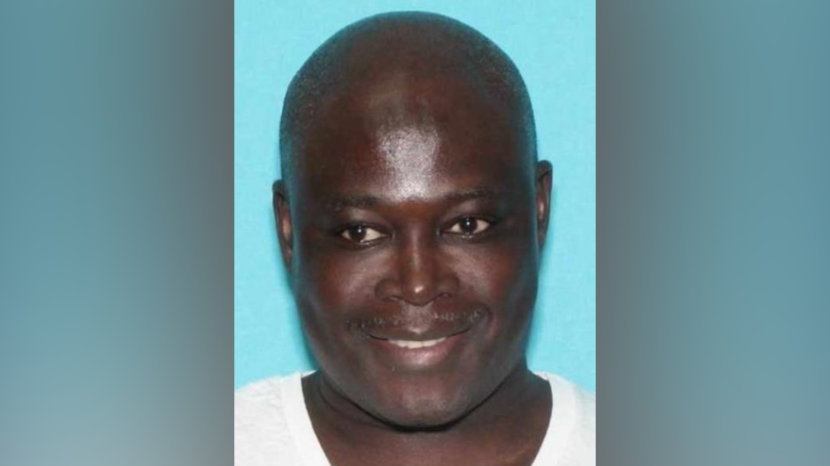
It is the kind of headline that makes people stop mid-scroll.
Three lives lost. A city shaken. And a stream of hateful posts that, in hindsight, read like flashing red lights no one could quite stop in time.
The Austin Mass Shooting Suspect is now at the center of an investigation that stretches beyond a single crime scene in Austin. Authorities are digging into what they describe as deeply disturbing online rhetoric, rhetoric that may help explain why this tragedy unfolded.
A Timeline That Feels Unsettling in Reverse
Police identified the suspect as Ndiaga Diagne. According to reports, Diagne had posted anti-Christian, antisemitic, and misogynistic rants on social media before the shooting.
Reading those posts now, investigators say, adds a chilling layer to the case.
Austin Police Chief Lisa Davis confirmed that detectives are carefully reviewing the suspect's digital footprint. She stopped short of speculating about motive but acknowledged that the content is relevant and troubling.
'We are looking at everything,' Davis said during a public briefing, emphasizing that online statements can provide critical context when piecing together intent.
Officers from the Austin Police Department responded swiftly to emergency calls and took the suspect into custody. The immediate threat was contained. The larger questions, however, were only beginning.
Hate Speech, Ideology, and a Potential Nexus to Terrorism
One phrase now circulating in legal and media discussions is the potential Nexus to terrorism.
That does not automatically mean the Austin mass shooting will be labeled a terrorist act. In the United States, terrorism charges require specific intent, typically violence aimed at intimidating a civilian population or influencing government policy.
Still, when rhetoric targets religious groups and women in sweeping, dehumanizing terms, investigators have to consider whether ideology played a role.
The Federal Bureau of Investigation is assisting local authorities in reviewing evidence. That collaboration does not confirm a terrorism designation, but it signals that officials are taking the ideological angle seriously.
Travis County District Attorney José Garza said prosecutors will follow the evidence wherever it leads. Charges, he stressed, will be based on provable facts, not public pressure or speculation.
The Digital Warning Signs We Often Miss
There is something uniquely unsettling about crimes that appear to leave clues in plain sight.
Experts who study online radicalization often describe a pattern. Hostile language intensifies. Posts become more extreme. Targets become more specific. Sometimes, those signals fade into the background noise of the internet. Other times, they foreshadow something far worse.
In this case, investigators say the Austin Mass Shooting Suspect's alleged posts included explicit hostility toward Christians, Jewish communities, and women. That combination has raised alarms among analysts who track extremist ideologies.
But here is the uncomfortable truth, not every offensive post predicts violence. That is what makes prevention so complicated.
You don’t have a VAGINA
— Ndiaga Diagne (@NdiagaDiag88249) December 5, 2025
Why This Story Resonates Beyond Texas
The Austin mass shooting is drawing international attention because it touches on issues many countries are grappling with. Online extremism, religious hatred, misogyny, and the blurred line between speech and violence.
The legal outcome remains uncertain. Whether authorities determine there is a potential Nexus to terrorism will depend on intent, planning, and evidence still under review.
What is clear is this. The digital trail matters. Words posted online do not exist in isolation. They can reinforce belief systems, fuel anger, and in rare but devastating cases, precede irreversible harm.
As the investigation continues, the focus remains where it should be, on the victims and on ensuring accountability through due process.
The story of the Austin Mass Shooting Suspect is still unfolding. And like many modern tragedies, it forces an uncomfortable question that communities worldwide are now asking: how do we recognize the warning signs before it is too late?
Originally published on IBTimes UK
© Copyright IBTimes 2025. All rights reserved.


