The US Department of Defense has reportedly finalized a deal to deploy Elon Musk's Grok AI in classified military networks, hinting at a major shift in how advanced artificial intelligence supports national defense.
This comes amid escalating tensions with Anthropic over usage restrictions and ethical safeguards surrounding its Claude AI model.
Grok AI Joins Classified Defense Operations
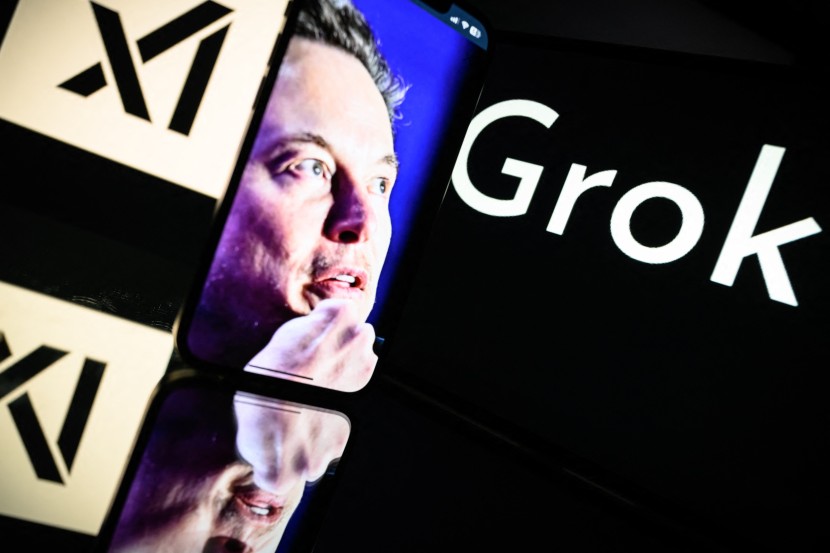
Axios confirms that Grok will now assist with sensitive military tasks such as intelligence analysis, battlefield planning, and weapons development.
While Grok's deployment marks a notable expansion of AI use in the Pentagon, officials caution that fully replacing Claude AI, previously integrated via partnerships with companies like Palantir, remains technically complex and will likely occur gradually.
Anthropic Dispute Highlights Ethical Tensions
The Pentagon's approval of Grok coincides with growing friction with Anthropic. The DoD has reportedly demanded that Anthropic allow Claude AI to be used for "all lawful purposes," including military applications that could involve autonomous systems or mass surveillance. Anthropic has resisted, citing ethical considerations and safeguards designed to prevent misuse.
According to Engadget, Defense Secretary Pete Hegseth is said to have issued a strict deadline for Anthropic to lift these restrictions, warning that noncompliance could label the company as a "supply chain risk" or jeopardize its multi-million-dollar Pentagon contract.
Expanding AI Partnerships and Competition
Beyond Grok and Claude, the Pentagon is exploring collaborations with other major AI providers, including OpenAI and Google's Gemini, both of which have been more receptive to supporting military functions.
The reliance on AI is not a new thing anymore, especially when it comes to military purposes. It is widely used for creating a strategic advantage without risking human lives on the line. An AI-enabled defense operation means entrusting the machine to function even in the most dangerous situations, but that still boils down to the ethical safeguards it holds.
Still, Grok access wasn't appealing outside the US. For instance, it was banned in Indonesia and Malaysia because the authorities believed it aggravated the spread of deepfakes. Thus, this resulted in the blocking of the app under the respective online safety laws.
Originally published on Tech Times


