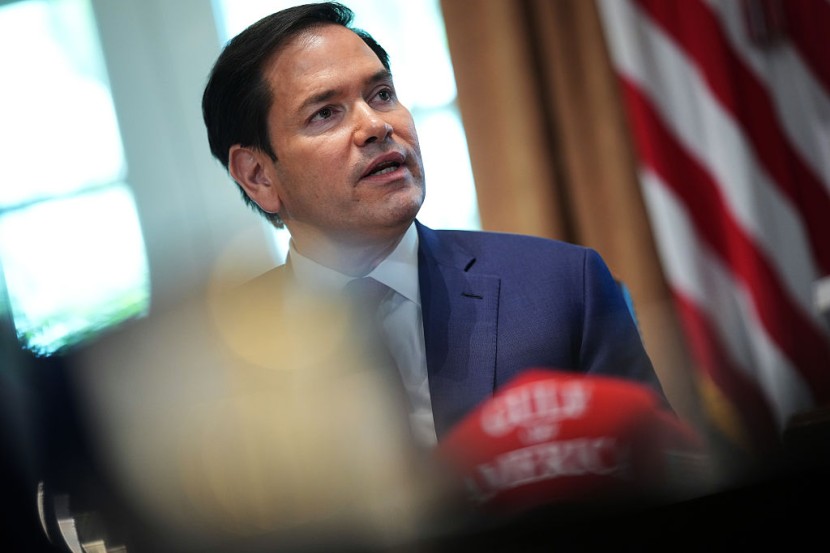
The 62nd annual Munich Security Conference opened Friday with the United States pushing to reassure European allies as global security challenges mount, including Russia's war in Ukraine and shifting expectations within NATO.
U.S. Secretary of State Marco Rubio, leading the American delegation, plans a series of high-level meetings with European counterparts and Chinese officials on the sidelines of the conference, Reuters reports. The summit has drawn presidents, foreign ministers and defense leaders from more than 100 countries and remains one of the world's most important venues for security diplomacy.
European leaders are watching closely to see if Washington will offer clearer commitments on defense cooperation after past tensions over military spending and strategic priorities. The Associated Press notes that trans-Atlantic relations dominated the opening discussions, alongside urgent questions about collective security and the future direction of NATO.
Beyond U.S.–Europe relations, conference organizers have highlighted concerns about the broader global order. According to Reuters' reporting on the Munich Security Conference's agenda, this year's convening comes amid what organizers describe as a moment of "exceptional urgency" marked by overlapping geopolitical pressures, including economic instability, conflicts in multiple regions, and debates over the roles of international alliances.
Russia's invasion of Ukraine remains a central focus of the summit. European and U.S. officials are expected to discuss continued military and financial support for Kyiv, while also weighing diplomatic approaches to reduce hostilities. In addition, leaders will address China's expanding influence and increasing competition in areas such as technology and defense.
European policymakers are also expected to debate the idea of "strategic autonomy," with some arguing that the continent must boost its own defense capabilities even as NATO anchors collective security. The United States has sought to balance support for European defense initiatives with reaffirmations of its own commitment to the alliance.
Originally published on IBTimes
© Copyright IBTimes 2024. All rights reserved.


