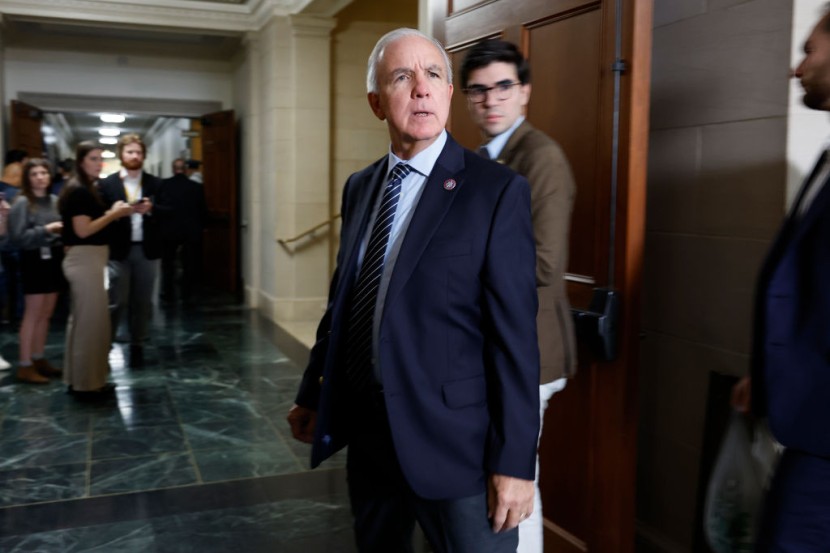
Republican Rep. Carlos Gimenez urged U.S. allies to close their embassies in Cuba and evacuate the country "before it is too late" as the Trump administration escalates pressure on the Havana regime.
In a social media publication, Gimenez said allies of the U.S. reached out to him about the country. "My message remains the same: cut diplomatic ties with the dictatorship, close your embassies, & evacuate before it is too late. The end of the Castro regime nightmare is near," he said.
🚨Our allies have reached out to me about #Cuba.
— Rep. Carlos A. Gimenez (@RepCarlos) January 30, 2026
My message remains the same: cut diplomatic ties with the dictatorship, close your embassies, & evacuate before it is too late.
The end of the Castro regime nightmare is near. pic.twitter.com/4RyTMQnMNh
He was making reference to a report noting that European and Latin American embassies in the country are activating or updating evacuation plans as the regime teeters on the brink of collapse.
Spanish agency EFE reported on the plans, adding that some are also stocking up to go through long periods without power or running water. To further illustrate the scenario the outlet noted that British company Unilever has evacuated the families of foreign workers in the country.
The development comes as a report from the Financial Times claimed that the country has less than a month worth of oil at current levels of demand and domestic production.
Citing data company Kpler, the outlet noted that the country has oil to last 15 to 20 days unless deliveries resume. "They have a major crisis on their hands" Jorge Piñon, an oil expert at the University of Texas told the outlet.
The country has only received less than 85,000 barrels this year, according to the FT. All came from a shipment on January 9, Kpler detailed. The figure adds to an estimated 460,000 barrels held in inventories at the beginning of the year.
Cuba relied on oil from Venezuela and Mexico, but shipments from the former stopped following the capture of authoritarian President Nicolas Maduro earlier this month, and the latter is seeing an impact as well.
Mexican President Claudia Sheinbaum said this week that her administration intends to continue sending oil to the country on humanitarian grounds. However, the tariffs could deter her administration from moving forward with the policy
The Cuban regime slammed the move, with Foreign Minister Bruno Rodriguez calling it a "brutal act of aggression."
In a social media publication, Cuban Foreign Minister Bruno Rodriguez said Havana "condemns in the strongest terms the U.S.'s new escalation."
Elsewhere, Republican Rep. Maria Elvira Salazar urged Cubans in exile to stop sending money to the island to accelerate the regime's collapse.
"This is the moment to stop everything: no more tourism, no more remittances, no more mechanisms that continue financing and supporting the dictatorship," she said in a social media post.
And while she acknowledged it is "devastating to think about the hunger of a mother" or a "child who needs immediate help," Cubans in exile face a choice: "short-term suffering or freeing Cuba for good."
"We can't keep being hostage of a regime that even from exile forces us to finance our own oppression. In the regime's final hour, the exile has to choose: freedom," she concluded.
Originally published on Latin Times
© 2025 Latin Times. All rights reserved. Do not reproduce without permission.


