WASHINGTON — U.S. and Iranian negotiators have reached a tentative agreement to extend their fragile ceasefire and begin formal talks on Iran's nuclear program, though President Donald Trump has not given final approval, U.S. officials said, as reported by The Associated Press, Axios and CNN.
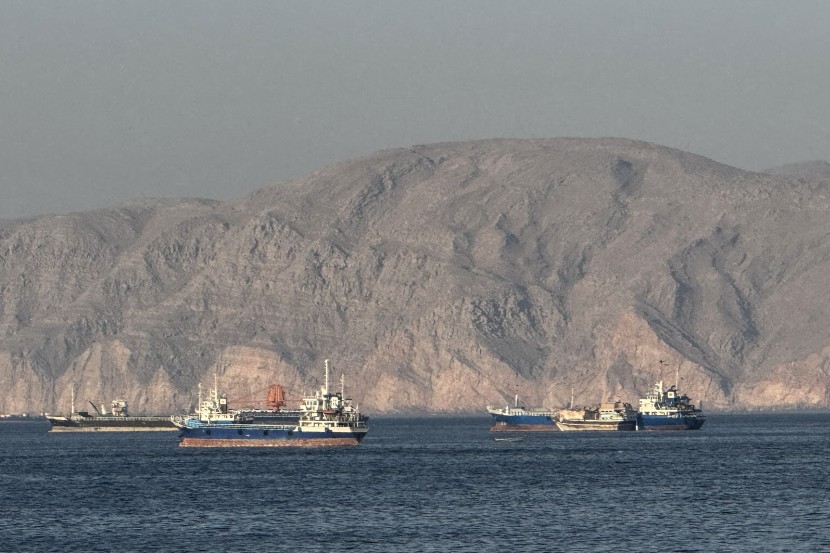
The White House confirmed that the two sides reached a tentative understanding to extend the conflict's ceasefire by roughly two months and to reopen the Strait of Hormuz. The arrangement is structured as a 60-day memorandum of understanding that would extend the ceasefire and launch negotiations on Iran's nuclear program, U.S. officials told the outlets.
The framework stops well short of a comprehensive nuclear accord. The memorandum contains no agreement on Iran's nuclear program itself or on the fate of its stockpile of highly enriched uranium; those issues are to be taken up during the 60-day negotiating window. U.S. officials said the most difficult questions, including how to dispose of the enriched uranium, remain to be worked out.
The deal is not finalized. Trump said he would meet in the White House Situation Room to make a "final determination" on Iran, reiterating that Tehran must agree never to obtain a nuclear weapon and that the Strait of Hormuz must open immediately, with no tolls, for unrestricted shipping in both directions. It was also unclear whether Iran's supreme leader had signed off, a step seen as necessary to end the conflict.
The negotiations follow months of escalation. The United States announced major combat operations against Iran on Feb. 28, launching joint U.S.-Israeli strikes on military, government and infrastructure targets, followed by a two-week ceasefire and failed initial talks in Pakistan in April. Tensions spiked again this week when U.S. forces shot down Iranian drones in the Strait of Hormuz and Iran launched a ballistic missile at Kuwait, which intercepted it; CENTCOM called the launch a serious ceasefire violation.
Trump had publicly played down the prospects of an agreement in recent days, saying Iran was "negotiating on fumes" and warning that the U.S. was prepared to "finish the job" if no deal was reached.
The framework leaves the central nuclear questions for later. Its pledge that Iran will not pursue a nuclear weapon restates a position Iranian officials have stated for years, and it sets aside, rather than settles, the disputes over uranium enrichment and Iran's existing stockpile.
If approved, the memorandum would begin a 60-day clock for negotiators to address the unresolved nuclear questions and to carry out the reopening of the Strait of Hormuz, a critical artery for global energy shipments. For now, the framework rests on final sign-off from Trump and Iranian leadership, neither of which has been confirmed.
© 2026 HNGN, All rights reserved. Do not reproduce without permission.


