WASHINGTON — The U.S. naval blockade of Iranian ports along the Strait of Hormuz entered its third day Thursday with American forces turning back at least 13 vessels, according to Pentagon officials, as diplomatic efforts to extend a fragile ceasefire showed signs of strain and Iran issued fresh threats to disrupt shipping across the Persian Gulf and Red Sea.
Defense Secretary Pete Hegseth told reporters at the Pentagon that the blockade, which began Monday, remains "fully implemented and effective," with no Iranian-linked ships successfully exiting or entering targeted ports since enforcement ramped up. Central Command confirmed that U.S. Navy assets, including destroyers and support vessels from the USS George H.W. Bush carrier strike group, have intercepted and redirected multiple tankers attempting to depart Iranian waters.
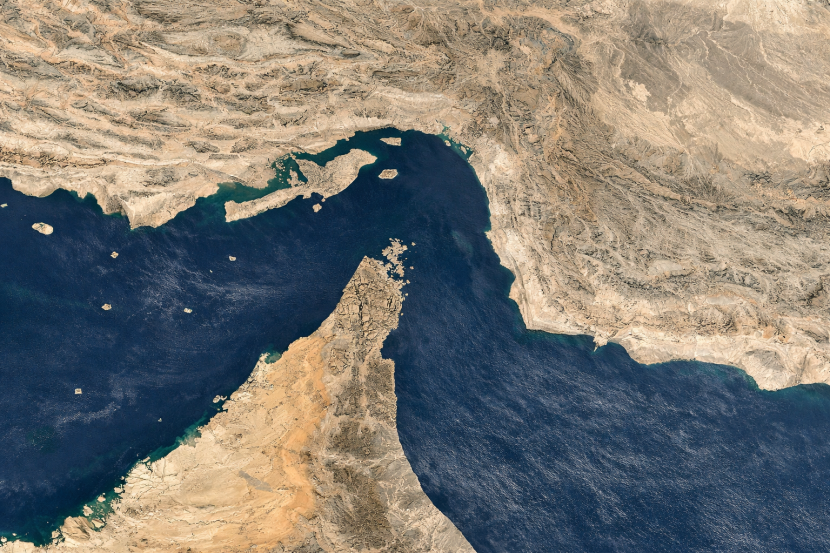
The operation targets all maritime traffic to and from Iranian ports and coastal areas while allowing neutral transit through the international waters of the Strait of Hormuz itself. Ship-tracking data from firms such as Kpler and Vortexa showed sharply reduced activity, with marine traffic down more than 90 percent from pre-war averages of over 100 vessels daily. Some non-Iranian tankers continued limited passages, but Iran-linked vessels largely remained stalled or turned away.
The blockade forms a key pressure point in the ongoing Iran war that erupted Feb. 28 with U.S.-Israeli strikes on Iranian leadership, missile sites and nuclear facilities. Iran retaliated by effectively shutting the strait to most commercial traffic, disrupting roughly 20 percent of global oil trade and contributing to spikes in energy prices. A two-week ceasefire brokered by Pakistan took effect April 8, pausing direct U.S.-Iran exchanges, but the truce faces expiration April 21 without a breakthrough on nuclear issues or reopening the waterway.
Pentagon briefings Thursday highlighted minesweeping operations to counter potential Iranian threats, with officials warning that Tehran retains the capability to deploy sea mines, fast-attack boats and missiles despite heavy losses to its navy and air defenses earlier in the conflict. Gen. Dan Caine, briefing reporters, said the U.S. has "maximal posture" in the region and stands ready to respond to any provocation.
Iranian officials condemned the blockade as "economic terrorism" and threatened to halt all trade in the Persian Gulf, Gulf of Oman and Red Sea if it continues. State media claimed at least one supertanker and a bulk carrier carrying food supplies successfully transited the strait, though independent tracking data offered conflicting accounts. A Chinese oil tanker reportedly defied the measures in one instance, prompting Beijing to label the U.S. action "dangerous and irresponsible" while simultaneously urging Iran to reopen the strait.
The economic stakes remain enormous. The Strait of Hormuz serves as the conduit for about one-fifth of the world's traded oil and significant volumes of liquefied natural gas. Disruptions have already driven oil prices above $100 per barrel at times, fueling inflation concerns and straining global supply chains. Former UK officials warned of a potential humanitarian crisis in Iran and neighboring countries if the waterway stays blocked for an extended period, citing risks to food and fuel imports.
President Donald Trump described the blockade as a "brilliant strategy" to force Iran toward a deal, claiming China is "very happy" with U.S. efforts to secure the strait and that Beijing has agreed not to supply weapons to Tehran. Trump signaled possible new talks in the coming days, stating the situation is "close to over" if Iran accepts terms on its nuclear program.
However, Defense Secretary Hegseth escalated rhetoric, warning that the U.S. is prepared to strike Iranian energy infrastructure if Tehran rejects a peace deal before the ceasefire deadline. He emphasized the blockade will continue "as long as it takes" to cut off Iran's oil revenue.
Pakistan continued mediation efforts, with its army chief meeting Iranian officials in Tehran on Thursday. Separate rare direct talks between Israeli and Lebanese leaders were expected, though Hezbollah's exclusion raised doubts about broader de-escalation. Parallel Israeli operations against Hezbollah in Lebanon have continued despite the U.S.-Iran truce, adding complexity to regional dynamics.
Maritime security firms reported cautious navigation, with many vessels opting for longer routes or delaying transits due to risk. Some tankers loitered near the strait's entrances, while others used alternative paths announced by Iran earlier in the conflict. Minesweeping by U.S. and allied forces has become a priority to mitigate hazards that could prolong disruptions even after any political resolution.
International reactions varied. China pushed back against the blockade while pressing Iran to restore normal traffic, reflecting Beijing's heavy reliance on Gulf oil. European allies expressed concern over energy price volatility and called for de-escalation. The International Monetary Fund outlined adverse scenarios involving prolonged strait closure, warning of higher inflation, tighter financial conditions and potential macro instability extending into 2027.
Oil markets showed mixed movement Thursday, with Brent crude fluctuating as traders balanced blockade effectiveness against ceasefire hopes. Energy analysts noted that even partial normalization could take weeks due to insurance issues, crew concerns and physical hazards like mines.
Inside Iran, the regime faces mounting internal pressure from economic isolation and military setbacks. The death of Supreme Leader Ali Khamenei in early strikes led to a leadership transition, with the government projecting defiance while dealing with blackouts, internet disruptions and civilian casualties from the initial campaign.
For global shipping, the strait's vulnerability underscores long-standing concerns about chokepoints in critical trade routes. Experts emphasized that no single actor fully controls the waterway, which spans territorial waters of Iran and Oman, complicating enforcement and legal questions under international maritime law.
As the ceasefire deadline approaches, the blockade serves as both leverage and risk. Success in forcing concessions could hasten an end to hostilities, but any miscalculation risks renewed direct confrontation, mine incidents or proxy attacks that further disrupt shipping from the Gulf to the Red Sea.
Pentagon officials stressed the operation's impartial enforcement against all nations' vessels tied to Iranian ports, aiming to maximize economic pressure without broader escalation. Additional U.S. assets, including a third carrier strike group and minesweepers, have bolstered regional presence.
For now, the Strait of Hormuz remains a tense flashpoint where military posturing, diplomatic maneuvering and economic consequences intersect. Whether the blockade accelerates a deal or prolongs instability will likely shape oil markets, global inflation and regional security for months to come.
Analysts urged vigilance, noting that even limited incidents could spike insurance premiums and reroute trade with lasting effects on energy costs worldwide. With talks ongoing and the ceasefire window narrowing, Thursday's developments offered cautious hope for resolution alongside persistent risks of renewed disruption.
Originally published on ibtimes.com.au
© Copyright 2022 IBTimes AU. All rights reserved.


