ISLAMABAD, Pakistan — Senior U.S. and Iranian officials gathered Saturday in Pakistan's capital for direct ceasefire negotiations, marking the first high-level talks between the longtime adversaries since the 1979 Islamic Revolution and offering a potential off-ramp after 43 days of devastating conflict.
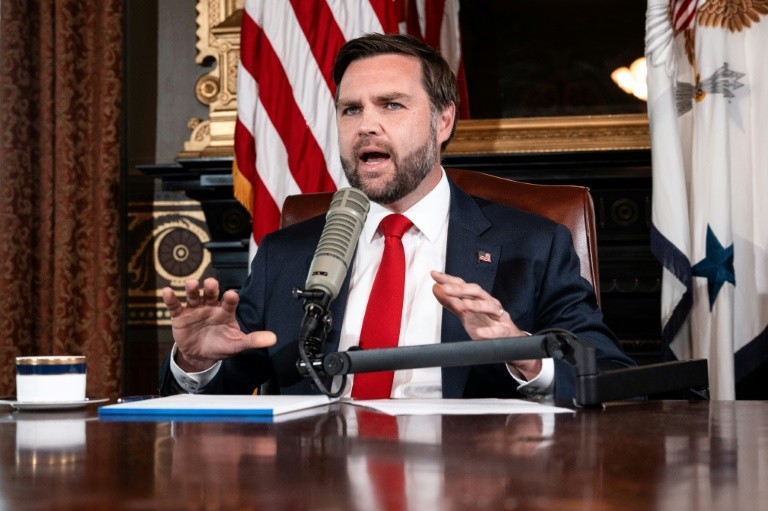
U.S. Vice President JD Vance led the American delegation, joined by special envoy Steve Witkoff and Jared Kushner, President Donald Trump's son-in-law and senior adviser. Iran's team was headed by Parliament Speaker Mohammad Bagher Ghalibaf and Foreign Minister Abbas Araghchi. Pakistani officials, including Prime Minister Shehbaz Sharif and army chief Gen. Asim Munir, facilitated the trilateral discussions at a heavily secured venue in Islamabad.
The talks come as a fragile two-week ceasefire, brokered by Pakistan and announced earlier this month, holds tenuously amid ongoing regional violence, including Israeli strikes in Lebanon and disruptions in the Strait of Hormuz.
"This is a make-or-break moment," Sharif told reporters as delegations arrived, underscoring the high stakes for turning a temporary pause into a lasting peace agreement.
Path to Islamabad: From War to Fragile Truce
The conflict erupted in late February 2026, escalating rapidly into direct U.S.-Iran confrontations involving airstrikes, naval tensions and proxy battles across the Middle East. Thousands have died, oil prices have surged more than 30%, and global markets have been roiled by Iran's partial closure of the Strait of Hormuz, a critical chokepoint for nearly 20% of the world's oil trade.
Pakistan emerged as an unlikely but pivotal mediator. Over recent weeks, Sharif and Munir engaged in shuttle diplomacy, consulting with Egypt, Turkey, Saudi Arabia and China while maintaining back-channel contacts with both Washington and Tehran. A Pakistani-proposed framework for an immediate ceasefire followed by broader talks gained traction, leading to the current two-week pause.
Iranian state media reported that negotiations progressed to "expert level" after indirect discussions, setting the stage for Saturday's face-to-face meetings. Both sides arrived amid tight security, with Islamabad's streets largely deserted as authorities imposed restrictions to prevent disruptions.
Key Sticking Points and Conditions
Iran has set firm preconditions, according to officials. Ghalibaf stated on social media that talks would proceed only with an Israeli ceasefire in Lebanon and the release of blocked Iranian assets held abroad. Tehran also seeks guarantees regarding its nuclear program and sanctions relief.
The U.S. side, per Trump administration statements, prioritizes preventing Iran from acquiring nuclear weapons, ensuring full reopening of the Strait of Hormuz and addressing regional security concerns involving proxies like Hezbollah. Trump has warned publicly that failure could lead to renewed and intensified U.S. strikes.
Vance, before departing Washington, expressed cautious optimism but cautioned against gamesmanship. "If they're going to try and play us, then they're going to find that the negotiating team is not that receptive," he said.
Lebanon remains a major complication. Israeli forces continued operations against Hezbollah, with recent strikes killing dozens. Iran has linked any comprehensive deal to a broader regional de-escalation, including Lebanon. Separate Israel-Lebanon talks are reportedly scheduled soon in Washington.
Pakistan's Diplomatic Triumph
The hosting role represents a significant boost for Pakistan, a nuclear-armed nation long navigating complex ties with both the U.S. and Iran. Analysts note that Islamabad's neutral stance, combined with strong military-to-military relationships, positioned it uniquely to bridge the divide.
"Pakistan has transitioned from a quiet go-between to an active participant," one NPR report observed, highlighting how Sharif's government pulled in multiple regional players to support the ceasefire plan.
The Serena Hotel in Islamabad serves as the primary venue, with trilateral sessions involving Pakistani mediators in the same room as U.S. and Iranian teams.
Broader Regional and Global Implications
The war has redrawn alliances and heightened fears of wider escalation. Saudi Arabia and other Gulf states have watched nervously as energy markets fluctuated. China, a major buyer of Iranian oil, has quietly backed diplomatic efforts.
Economically, the conflict's toll has been severe. Brent crude hovered near $97 per barrel, and shipping through the Strait of Hormuz has dropped dramatically, with only a handful of vessels passing since the ceasefire took effect.
Humanitarian concerns mount as well. Civilian casualties in Iran, Lebanon and elsewhere have drawn international calls for restraint. Aid organizations report strained resources amid the fighting.
Outlook for the Talks
No immediate agreements were announced as sessions began Saturday. U.S. officials described the atmosphere as serious but stressed that deep mistrust persists after decades of hostility.
Success could pave the way for a comprehensive settlement addressing Iran's nuclear ambitions, sanctions, regional proxies and economic normalization. Failure risks resumption of hostilities, potentially drawing in more actors and further destabilizing global energy supplies.
Trump has framed the negotiations as a chance for Iran to secure its future while warning of consequences. Iranian leaders have emphasized sovereignty and resistance to external pressure.
As talks unfold, the world watches closely. For now, the fragile ceasefire provides a narrow window for diplomacy in one of the most intractable conflicts of the 21st century. Pakistan's role as host may prove historic if it leads to de-escalation, but the path forward remains fraught with challenges.
Delegations are expected to hold multiple rounds over the weekend, with possible updates from principals as progress is assessed. The outcome could reshape Middle East dynamics for years to come.
Originally published on ibtimes.com.au
© Copyright 2022 IBTimes AU. All rights reserved.


