Apple has joined forces with Major League Soccer to incorporate the iPhone 17 Pro into the broadcasting of the final between Inter Miami and Vancouver Whitecaps.
This is not the first time that an iPhone has been used for professional sports coverage.
iPhone 17 Pro Joins the Broadcast Arsenal
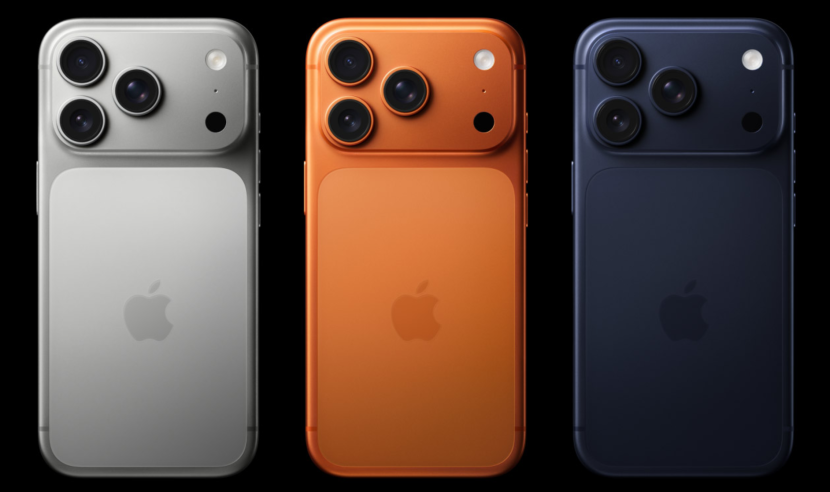
Alongside more than 30 other traditional cameras, four iPhone 17 Pro units were deployed to capture behind-the-goal action and fan reactions from the stands. As Apple Insider reports, each feed from an iPhone is tagged with a "Shot on iPhone" label for viewers to get a visual of the technology in action.
MLS engineers have reportedly been testing iPhones extensively in the weeks leading up to the final, examining latency, thermal performance, wireless stability, and synchronization with the main broadcast. This level of vetting ensures that the iPhone integrates into professional broadcast workflows without a hitch.
Why the iPhone Was Chosen
That's because the iPhone 17 Pro's ProRes workflow allows MLS producers to color-match its footage seamlessly with other broadcast cameras. It may be that the iPhone still doesn't have the image quality, or necessarily streaming reliability, as traditional high-end broadcast equipment, but that compact size and mobility offer produces unique camera angles they might not otherwise get.
Marketing and Fan Engagement Benefits
Beyond the technical capabilities, the iPhone brings very important marketing value to Apple: seeing the "Shot on iPhone" tag during a huge sports broadcast draws fan attention. Not only that, but it shows that the Cupertino giant is ready to take its smartphone as a leader in that technology.
What's more, its popularity and affordability make it an accessible addition for organizations looking to enhance fan engagement without the massive costs of additional high-end camera setups, per GSM Arena.
While an iPhone may not exactly mimic the impressive features we see from advanced cameras, it's still a huge step to see a hand-sized device capturing all sports actions in one frame.
Originally published on Tech Times


