KYIV, Ukraine — Ukrainian President Volodymyr Zelenskyy on Friday welcomed a temporary Easter ceasefire declared by Russian President Vladimir Putin while reiterating his call for a broader halt to strikes on energy infrastructure, as the grinding war entered its fifth year amid shifting global tensions including conflicts in the Middle East.
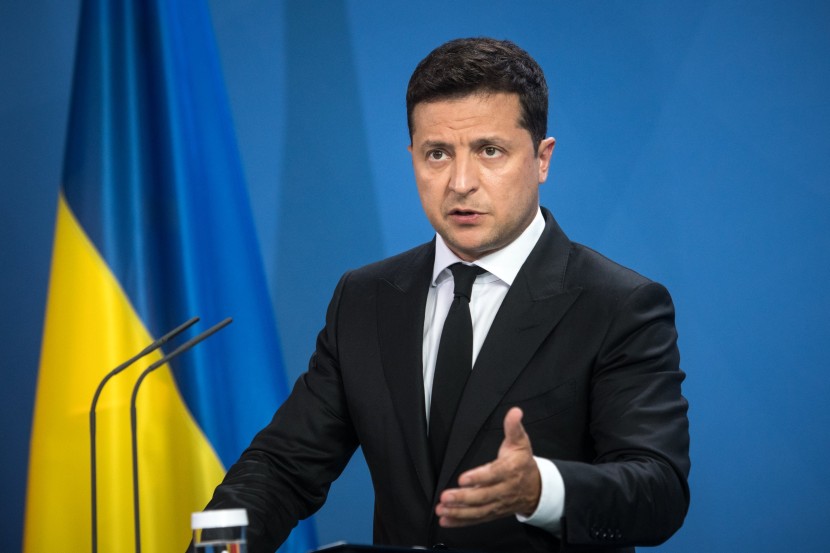
Zelenskyy confirmed that Ukrainian forces would observe the 32-hour Orthodox Easter truce announced by Moscow, which is set to begin Saturday evening and run through Sunday, aligning with the holiday observed by both nations. At the same time, he expressed skepticism about Russia's intentions, noting past failed ceasefires and accusing Moscow of choosing escalation over peace gestures.
In his nightly address and recent statements, Zelenskyy stood by a Ukrainian proposal conveyed to Russia through U.S. channels for a mutual ceasefire on attacks targeting energy facilities. "If Russia is ready to stop strikes on our energy infrastructure, we will be ready to respond in kind," he said earlier this week, emphasizing that the offer remains on the table ahead of Orthodox Easter on April 13.
The latest developments come as both sides continue intense drone and missile exchanges. Overnight attacks have targeted civilian areas, including a strike on the Black Sea port of Odesa that killed three and injured at least 16, according to Ukrainian officials. Zelenskyy has repeatedly warned that Russia is preparing for a prolonged "year of war" in 2026, while highlighting signs of strain within Russian forces, including stalled army growth despite heavy mobilization.
Zelenskyy, a former comedian who rose to the presidency in 2019 and became a global symbol of defiance after Russia's full-scale invasion in February 2022, has maintained a busy diplomatic schedule. In recent weeks, he traveled to the Gulf region and held talks in Istanbul with Turkish President Recep Tayyip Erdogan on security cooperation. He also spoke by phone with Pope Leo XIV, who expressed hopes for a just and lasting peace.
The Ukrainian leader has drawn connections between the war in Ukraine and escalating tensions in the Middle East, accusing Russia of aiding Iran and mapping U.S. assets to support Tehran. Zelenskyy revealed that Ukrainian forces had engaged in actual combat operations in the Middle East, shooting down Iranian-made Shahed drones during recent U.S.-Israel actions against Iran — not merely training missions but using Ukrainian-made interceptors. He offered Ukraine's assistance in unblocking the Strait of Hormuz if needed, underscoring Kyiv's growing role in broader global security discussions.
Relations with the United States under President Donald Trump remain a focal point. Zelenskyy has engaged in multiple calls and meetings with Trump and his envoys, including Steve Witkoff and Jared Kushner, discussing pathways to end the conflict. Trump has pushed for a swift resolution, with Zelenskyy noting that "much can be decided before the New Year" in potential high-level talks. However, Zelenskyy has pushed back against perceived pressure to cede territory, stressing that any peace must include robust security guarantees for Ukraine.
Work continues with U.S. negotiators on formalizing those guarantees, which Zelenskyy describes as essential for any lasting peace. He has urged allies to maintain sanctions pressure on Russia's economy, particularly targeting shadow fleets that help Moscow sustain oil revenues despite restrictions.
On the battlefield, Ukrainian forces report incremental advances in areas like the Pokrovsk direction, while relying on innovative drone technology and expanded domestic defense production. Zelenskyy has hailed Ukraine's growing arms industry, projecting significant output in drones and missiles by the end of 2026. At the same time, he has acknowledged the human cost, with earlier estimates placing Ukrainian military deaths in the tens of thousands and total casualties far higher.
Russia's expansive territorial ambitions — including goals to seize remaining parts of Donbas, create buffer zones along northern borders and potentially push toward southern cities like Odesa — remain unchanged, according to Ukrainian assessments. Yet Zelenskyy has pointed to Russian difficulties in fulfilling planned advances, citing high casualties and internal societal pressures that could force broader mobilization, something the Kremlin has sought to avoid.
The Easter truce announcement by Putin has sparked speculation about Moscow's shifting priorities, with some analysts wondering if Russia might redirect resources amid the Iran situation. Zelenskyy responded cautiously, saying Ukraine would mirror Russia's actions and warning of a "symmetrical response" if violations occur. Past humanitarian pauses have often broken down quickly, with accusations flying from both sides.
Energy infrastructure remains a critical vulnerability. Russia has damaged or destroyed much of Ukraine's power generation capacity through repeated strikes, leaving millions facing blackouts, especially during winter. Zelenskyy's energy ceasefire proposal aims to provide immediate relief to civilians while building momentum toward broader de-escalation.
Diplomatically, Ukraine has strengthened ties beyond traditional Western allies. Talks with Ireland focused on unblocking EU accession negotiations and support for Ukrainians abroad. Cooperation with Norway addressed security enhancements, and agreements with Syria have emerged in unexpected areas. Zelenskyy has also engaged leaders in the Gulf on regional stability and free trade flows.
Domestically, Zelenskyy continues to project resilience. In addresses marking the war's milestones, he has declared that Russia has "not broken Ukrainians" nor achieved its initial goals of quick victory and regime change. Ukraine has defended its independence and statehood, he insists, despite the immense challenges of a war now stretching into its fifth calendar year.
The conflict has evolved into a war of attrition dominated by drones, artillery and electronic warfare. Ukrainian adaptations in technology have provided tactical edges, even as Russian forces maintain pressure through sheer volume of attacks. Civilian infrastructure, including hospitals, schools and residential areas, continues to suffer, drawing international condemnation.
Zelenskyy has dismissed Russian claims of inevitable victory, arguing that Moscow's calculations include prolonging the war to divert global attention and weaken support for Ukraine. He has called on partners to increase pressure, including through sanctions and military aid, while preparing Ukraine's own defense industry for greater self-reliance.
As Orthodox Easter approaches — a time of reflection for millions in both countries — Zelenskyy's messages blend hope for de-escalation with firm resolve. He has repeatedly proposed Easter ceasefires, only to see them rebuffed or undermined by continued strikes. The current Russian declaration, while limited, offers a brief window that Kyiv intends to honor, provided Moscow does the same.
Looking ahead, attention turns to potential trilateral or leaders-level talks involving the U.S., Ukraine and Russia. Zelenskyy has signaled openness to direct engagement if it advances concrete security arrangements and territorial integrity. However, he maintains that Ukraine will not accept ultimatums or unilateral concessions.
The broader geopolitical picture has grown more complex with the U.S.-Iran ceasefire and related developments. Zelenskyy has positioned Ukraine as a responsible actor willing to contribute to stability beyond its borders, from drone defense expertise to potential mediation roles in energy chokepoints.
Challenges abound. Ukraine faces manpower strains, economic pressures and the need for sustained international backing. Reconstruction costs run into hundreds of billions, with energy and housing among the most urgent needs. Yet Zelenskyy points to signs of Russian overextension and domestic discontent as potential turning points.
Friday's developments, including the Easter truce response and drone revelations, underscore Zelenskyy's dual role as wartime leader and diplomat. From nightly video addresses rallying his nation to high-stakes international calls, he continues to navigate a conflict that has reshaped European security and global alliances.
As spring advances and fighting seasons intensify, the coming weeks could prove decisive. Whether the Easter pause holds, if energy strikes subside, and how U.S.-led diplomacy evolves will shape the trajectory toward any potential negotiated end to Europe's bloodiest conflict since World War II.
For millions of Ukrainians enduring blackouts, displacement and loss, Zelenskyy's steadfast message remains one of endurance and hope: peace is possible, but only on terms that safeguard Ukraine's future as a sovereign, secure nation.
Originally published on ibtimes.com.au
© Copyright 2022 IBTimes AU. All rights reserved.


